Eclipse

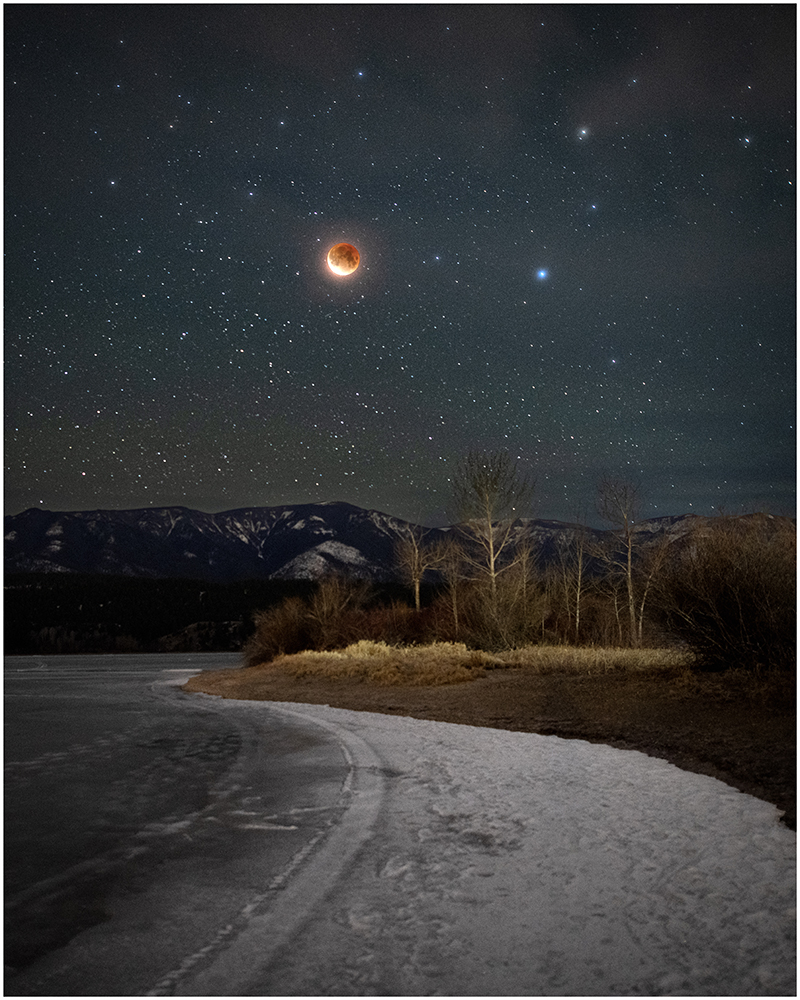
We were very fortunate to see the lunar eclipse on the morning of March 3rd, especially considering how cloudy it has been this winter.
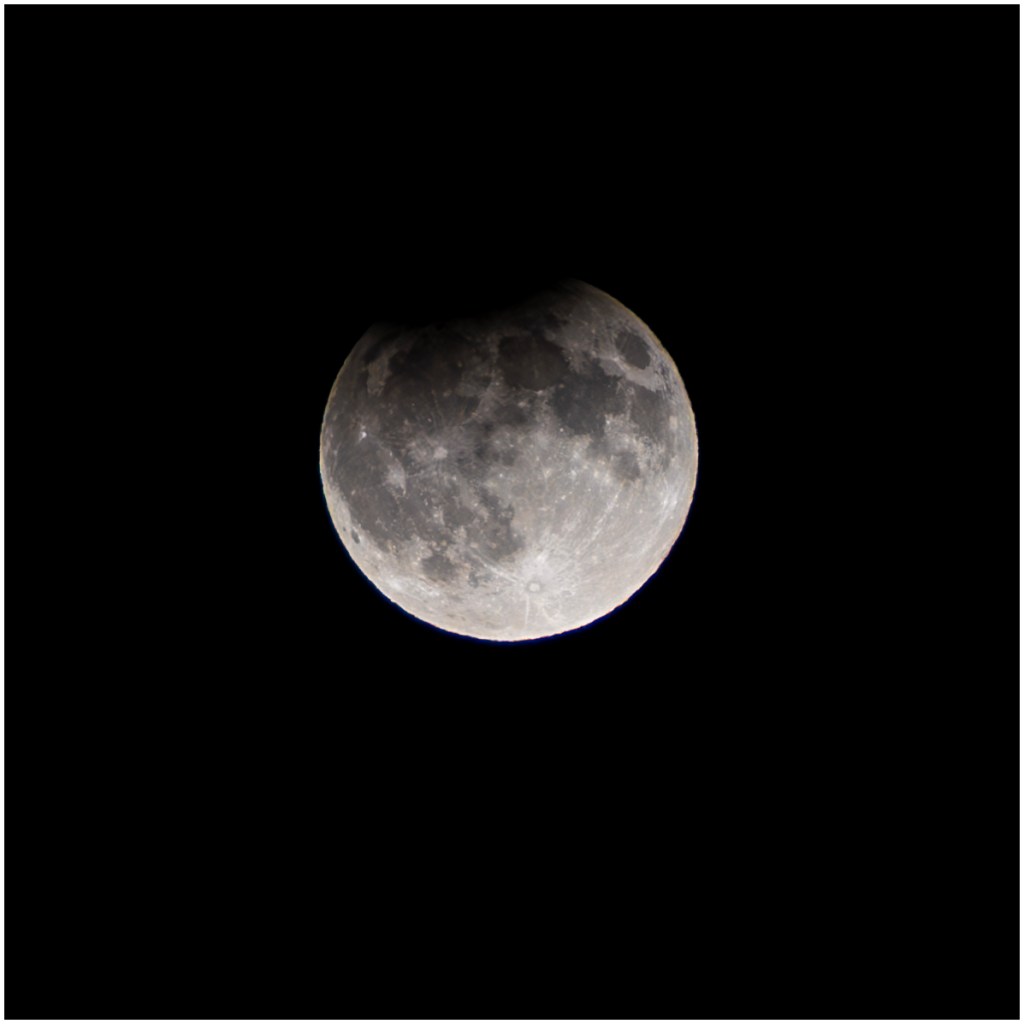
I have included another photo from that night. Photographing the moon can be difficult. If you expose for the moon, the landscape often turns out very dark. If you expose for the landscape, the moon becomes completely blown out. I have always preferred photographing the moon in a blue sky at dusk or dawn. Doing so allows you to choose an exposure that works for everything in the frame.
I try to keep my astrophotography simple. Most of my images are single exposures. Occasionally I will take multiple images to create a panorama when I want to show more of the scene than a single frame can capture.
During this eclipse, however, I did something very common in astrophotography: I took two exposures of the same scene—one exposed for the moon and one for everything else. This allowed me to capture detail in the moon without it being blown out. I achieved this by adjusting the ISO and shutter speed between shots. In Photoshop I stacked the images and used masking to combine the best parts of both exposures. It is a bit of a trick, and I admit I feel somewhat guilty for doing it.
This method is widely used. Photographers often take many exposures of the sky to reduce noise, along with separate exposures for the landscape and the stars. The images are then aligned and processed in Photoshop to create a polished final photograph. The Milky Way can really pop when this technique is used.
However, this approach isn’t really for me—not because I believe there is anything wrong with it, but because it requires more concentration and planning than I enjoy when I’m out photographing. I prefer to roam around with my camera, capturing single shots as I go.
There are also many photographers now using AI in astrophotography. For me, these images are usually easy to spot and make up a large portion of astrophotography found online. They can be striking, and again, there is nothing inherently wrong with these methods. I know of several landscape photographers who place the Milky Way above well-known mountains in directions where the Milky Way never actually appears. The images sell well for them—and why not?
Perhaps it is because I grew up in a newspaper shop that my instinct with photography is to document. I try to make the best photograph I can with the equipment I have, paying attention to composition, colour, and the rule of thirds. But in the end, what I am really trying to capture is a place, a moment in time, and an attitude—something that may not exist in quite the same way in the years ahead.
 Palliser Pass