A good snow storm blew through. Lola and I were caught out digging Willow’s grave. Big flakes, heavy falling straight down, the mountains and valley bottom obscured. By the time it stopped there was about a foot where we were and a few inches in the garden. It will do everything good.
We got Willow’s name carved into a rock. She is going far off the trail. No-one will ever find her unless they know where to look. She would like that.
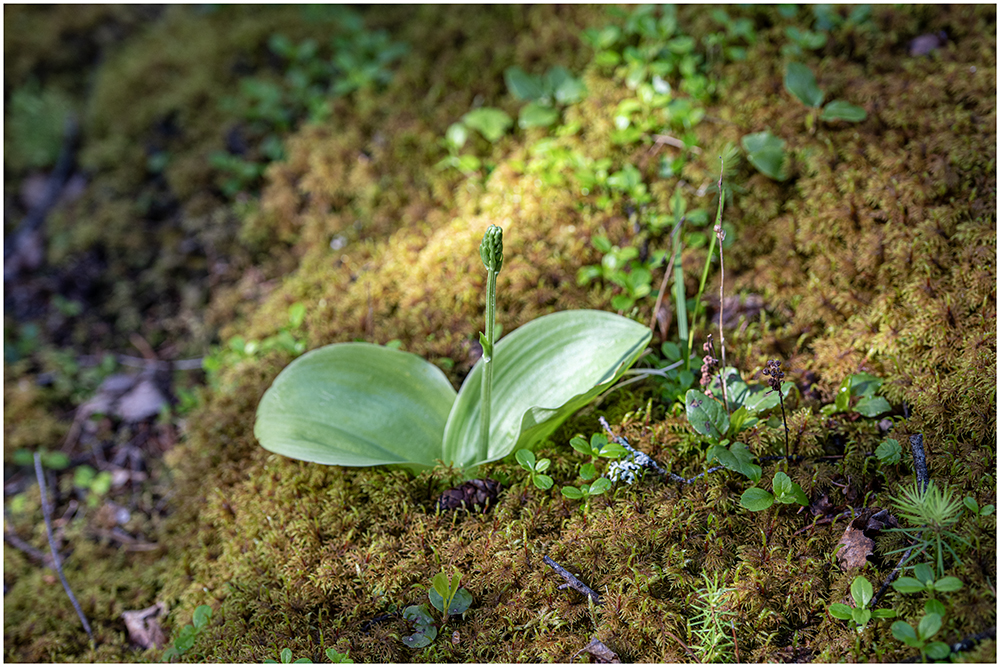
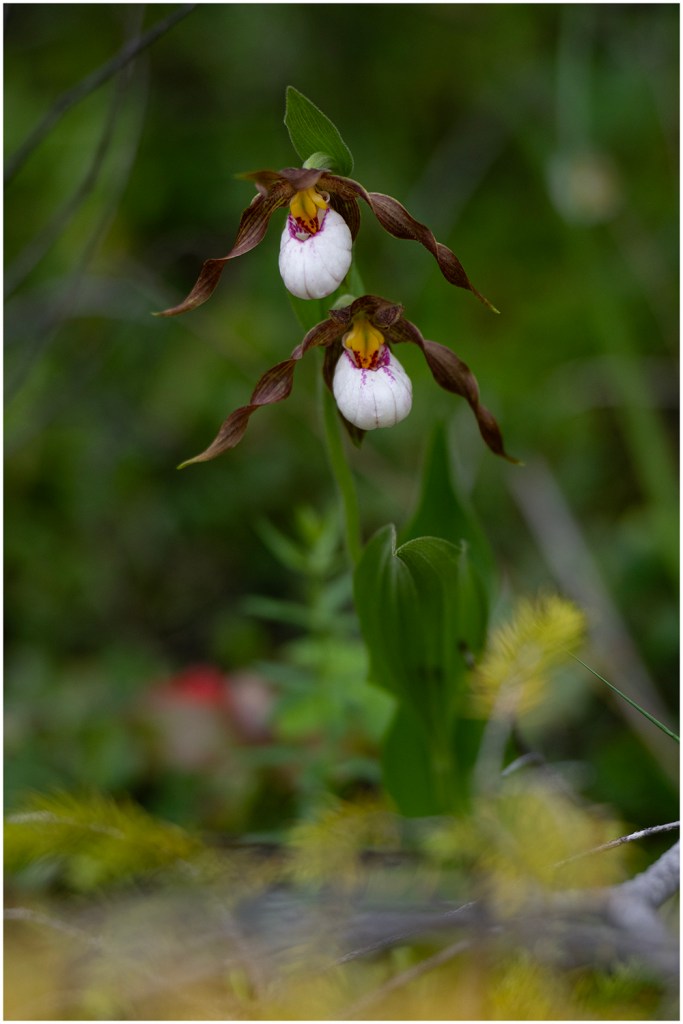
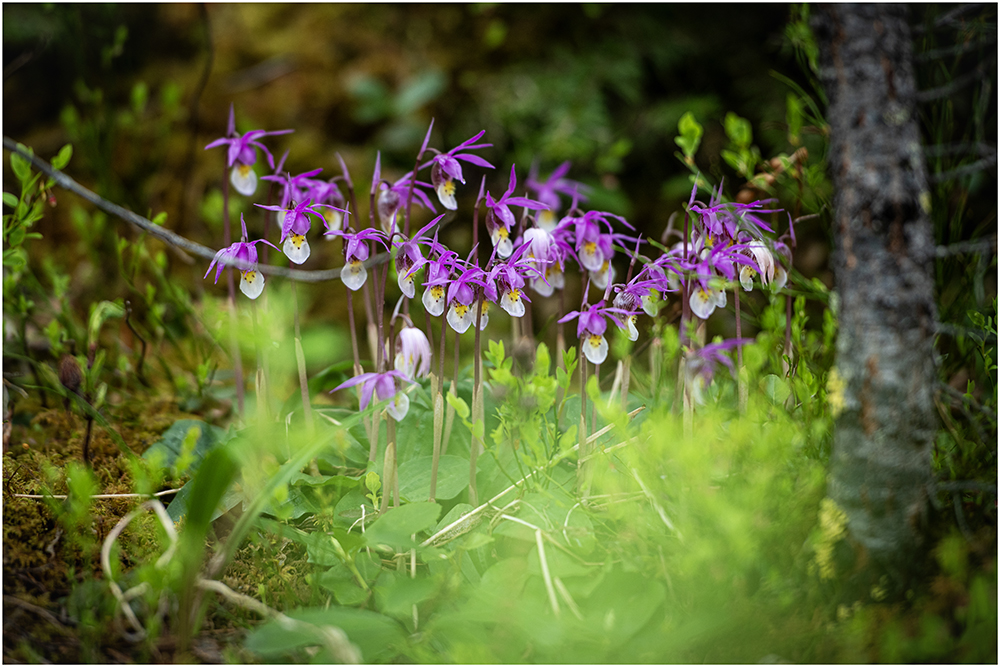
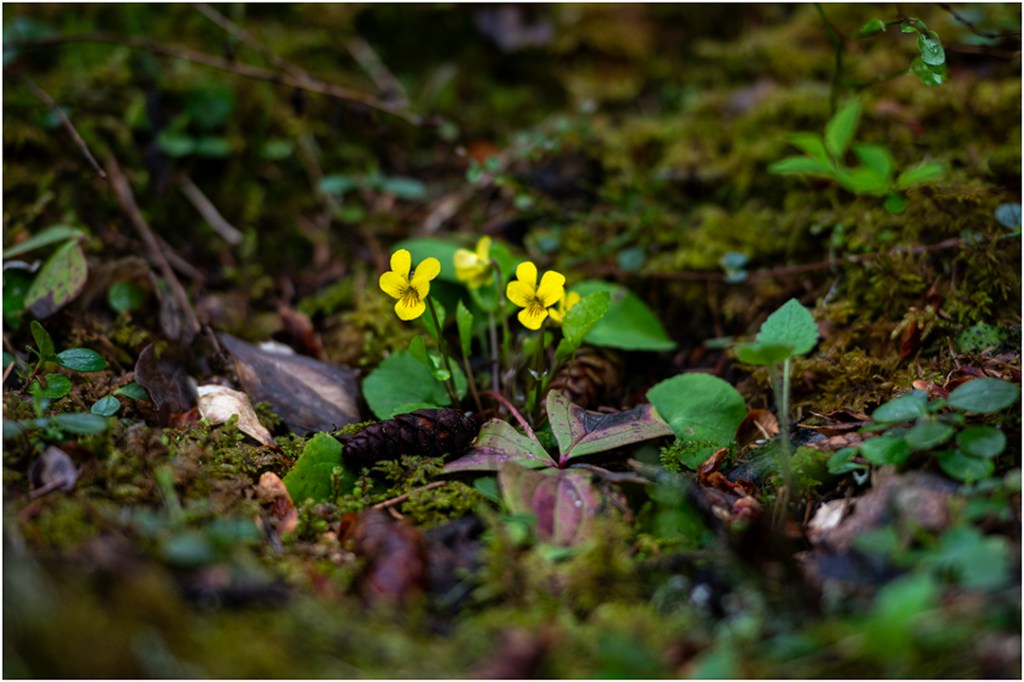
Crocuses before the snow hit.
The Crocuses are just coming out. I had expected them earlier considering our mild winter. The Osprey’s are back, also on time. The back roads are muddy as the frost comes out of the ground. This is the time I usually get stuck, pushing my luck along the mountain creeks trying to get back to November high. It’s easier when the frost is going into the backroads. Wet snow doesn’t help.
Lola is coming back from a pretty good injury, so her and I just poke about.
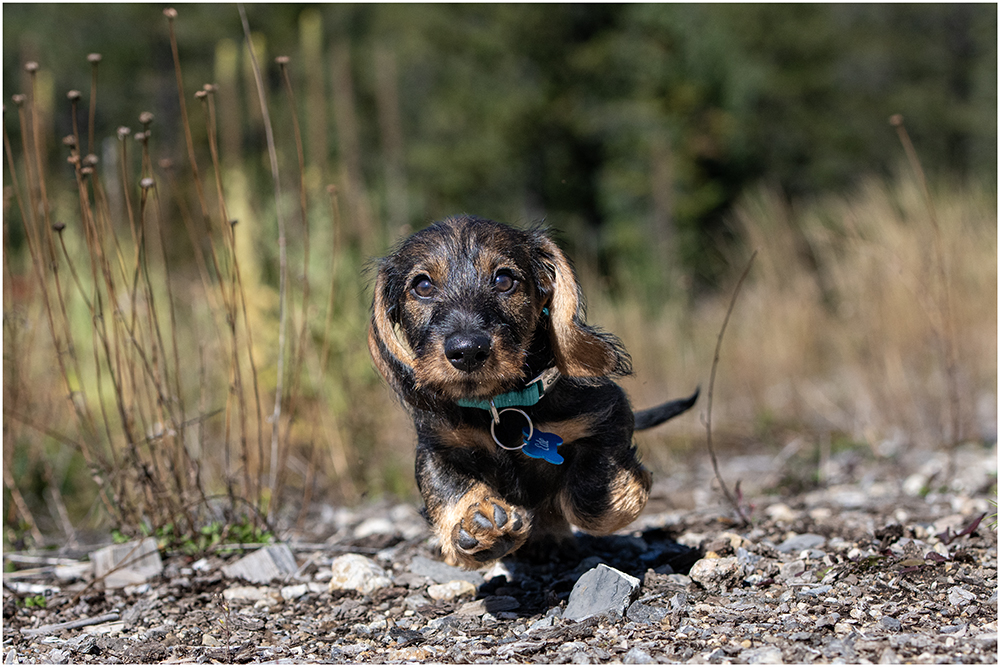
This guy will overlook Willow’s spot. She always gave this stump a bark then looked at me embarrassed. I wonder if he knows The Birchman.
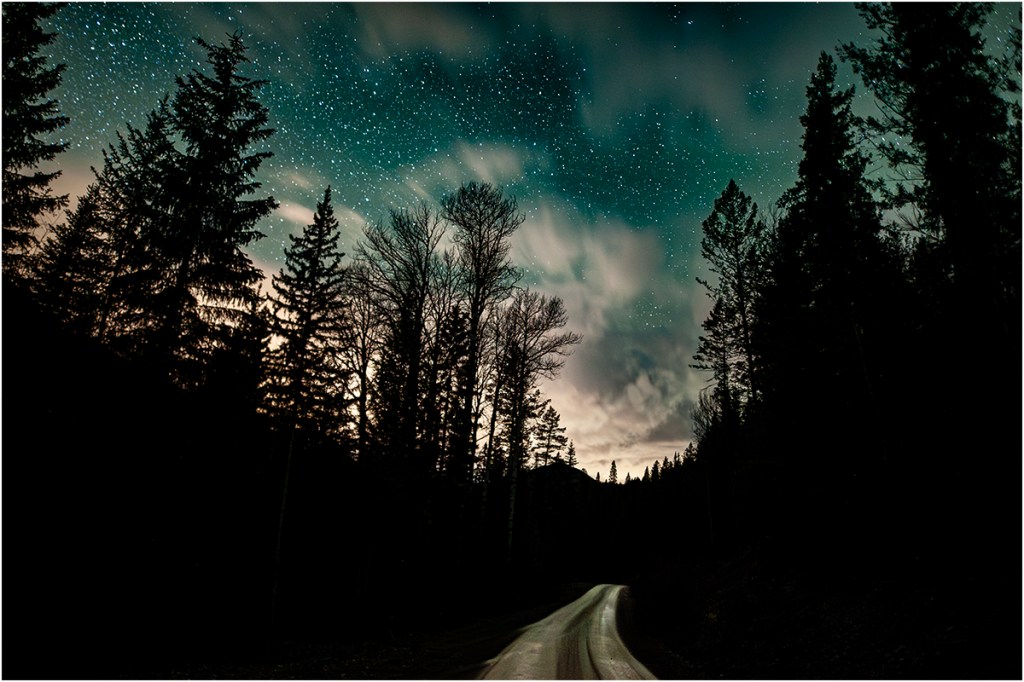
Sirius, Orion, Jupiter and Pleiades caught in zodiacal light.
A pair of Flickers have been fighting with a couple of Starlings for a hole in the top of the poplar out our window. Whoever has the upper hand usually camps out side the hole keeping the competition away. Sometimes it’s the Flicker sometimes it’s the Starling. I know how it’s going to end, because I saw the same show last year. Neither species will use the hole to nest, both considering it too dangerous because of each other.
Lisa and I saw and heard a few Meadowlarks below Swansea. Such a song. We look forward to it each spring.
I dug the garden, loosening up the soil with a pitchfork. There were plenty of worms. The garlic is all up and it looks like we should have a good crop. We are still eating last years. The daffodils are also up, despite the fact I thought I had dug them out. The garden is ready for some seeds. Within the week I hope to poke in some carrots, peas, beets and lettuce. It’s early but they can handle the chill. By May 24th I’ll get the rest planted.
Venus, just above the horizon at dusk.
Watched the sun set and waited to see if the zodiacal light would appear. Orion is in the west close to setting at dusk. It will be washed out by light soon, only to reappear to signal the coming fall. Venus was bright right on the western horizon. Jupiter was above Orion and Gemini ruling the sky. Sure enough a triangular white glow appeared with Pleiades caught in the light. Very fine spring day.
About 8 inches of wet snow fell last night. The roads turned slick. We were due in Calgary, but decided to reschedule.
I have included another couple of pictures of the eclipse. I was happy to be able to capture some of the stars around the moon, usually impossible during a full moon as its shine drowns them out. Regulus can be seen above the moon and several stars from the constellation Leo.
***
I changed the oil and filters in my truck yesterday. I haven’t done that in a real long time. I usually take the truck down to Cranbrook an hour and a half down the road for service. People ask why I don’t get it serviced closer to home. The answer is: I’ve always done this. At one time I knew most of the mechanics in the valley and I didn’t want to dislike them. Mechanics are notorious for fucking up and it’s never their fault. Granted they have to keep up on ever changing technology and it can’t be easy. So I drive 150 km out of my way. That way if I’m pissed off at the quality of the work it is at a place out of sight and not at a mechanic I play hockey with on Sunday night, or see at the school picking up their kids.
Now, I have to admit, it probably cost me more to change it myself. First, I bought synthetic oil and a good quality filter.
Second, I had to make a trip to the hardware to buy a six point 15mm socket because the goddamn oil plug was in so tight. The wrenches I had were twelve point and I didn’t want to round off the plug, or I would have been going to the mechanic for a real big bill, and the mechanic would not have spared me from letting me know what a fool I was.
Third, I checked online to see where to take the old oil for recycling. The first place I took it wouldn’t take it, the second place said they stopped taking it. So I drove it over to the landfill who said they don’t take it, but gave me the name of a place that did, and surprise, an hour and a half later and a few litres of Trumps expensive gas, I finally got rid of it.
And fourth, my pants and jacket become thoroughly dirty from lying on the ground, requiring me to spend more time and detergent washing them. Actually, I’ve kept them hidden waiting for a good time to show them to Lisa.
So there you have it, done in by my own hard headedness. Which is a common occurrence.
We were very fortunate to see the lunar eclipse on the morning of March 3rd, especially considering how cloudy it has been this winter.
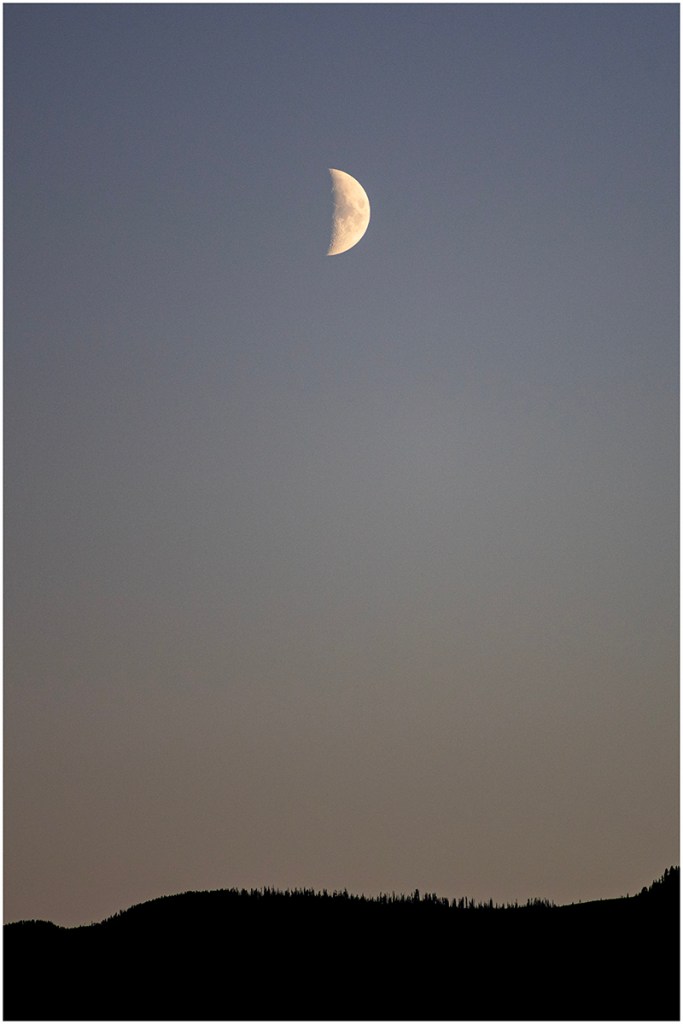
I have included another photo from that night. Photographing the moon can be difficult. If you expose for the moon, the landscape often turns out very dark. If you expose for the landscape, the moon becomes completely blown out. I have always preferred photographing the moon in a blue sky at dusk or dawn. Doing so allows you to choose an exposure that works for everything in the frame.
I try to keep my astrophotography simple. Most of my images are single exposures. Occasionally I will take multiple images to create a panorama when I want to show more of the scene than a single frame can capture.
During this eclipse, however, I did something very common in astrophotography: I took two exposures of the same scene—one exposed for the moon and one for everything else. This allowed me to capture detail in the moon without it being blown out. I achieved this by adjusting the ISO and shutter speed between shots. In Photoshop I stacked the images and used masking to combine the best parts of both exposures. It is a bit of a trick, and I admit I feel somewhat guilty for doing it.
This method is widely used. Photographers often take many exposures of the sky to reduce noise, along with separate exposures for the landscape and the stars. The images are then aligned and processed in Photoshop to create a polished final photograph. The Milky Way can really pop when this technique is used.
However, this approach isn’t really for me—not because I believe there is anything wrong with it, but because it requires more concentration and planning than I enjoy when I’m out photographing. I prefer to roam around with my camera, capturing single shots as I go.
There are also many photographers now using AI in astrophotography. For me, these images are usually easy to spot and make up a large portion of astrophotography found online. They can be striking, and again, there is nothing inherently wrong with these methods. I know of several landscape photographers who place the Milky Way above well-known mountains in directions where the Milky Way never actually appears. The images sell well for them—and why not?
Perhaps it is because I grew up in a newspaper shop that my instinct with photography is to document. I try to make the best photograph I can with the equipment I have, paying attention to composition, colour, and the rule of thirds. But in the end, what I am really trying to capture is a place, a moment in time, and an attitude—something that may not exist in quite the same way in the years ahead.
Before Christmas, Willow started coughing. At first, I thought she might have swallowed some water or picked up something she shouldn’t have. But when it didn’t stop, we took her to the vet. An X-ray showed that her heart was very enlarged — so large it nearly filled her entire chest cavity and was pressing against her trachea, which was causing the cough.
The vet prescribed medication, and thankfully the coughing stopped. She seemed to return to her old self.
From the time she was young, though, we were always told she had an irregular heartbeat. Sometimes it beat so lightly that, over time, her heart grew larger. It’s almost funny, everyone who knew Willow always said she had a big heart. In more ways than one, that was true.
Unfortunately, the coughing returned in February. Even then, she still loved her routines; eating well, going for walks, and sitting in front of the fire. During the day she managed quite well, but the nights were harder.
On her last day, she visited all her favourite places. She even barked at her favourite lady at the Tim Horton’s drive-through, and of course, she was rewarded with a Tim Bit.
On February 17th, Willow passed away. She was not in pain. She was in Lisa’s and my arms.
Willow shared so many adventures with us. The mountains feel different now without her. We always had an unspoken agreement to keep each other safe. She took her job seriously, more than once chasing bears up trees, and doing her best to keep flying creatures away (not ideal when you’re trying to photograph them). The Wire-Haired Dachshund is known as courageous, intelligent, stubborn and loving. Willow was had all of these traits. She could also be funny and seemed to take joy in making her people laugh.
During the Olympics there was a commercial featuring an AI figure-skating bear. Every time it came on, Willow, even though she wasn’t feeling good, would leap up, run to the television, and bark.
Willow gave us everything she had for eleven wonderful years. We are all going to miss her. It’s going to be hard without her.
Friends
Dog, departed companion I told you that the sky would fall in and it did. How will we see each other again when we’re without eyes? We’ll figure it out as we used to when you led me back to the cabin in the bush in the dark.
Yesterday was tough, hearing the news of the school shooting from Tumbler Ridge. In the coming days, there will be plenty of comments on why it happened. Most will not be helpful.
It is tough to comprehend the feelings the people of the small town must be experiencing. The whole of Canada is in mourning for the families touched by this tragedy.
When I was young, I feared many things. Somehow, though, I believed I had a measure of control over those fears. I could outrun them, outthink them, or at least convince myself they were manageable.
I wonder what children think now, growing up in a world where news travels instantly to the palm of their hand. A phone can feed fear twenty-four hours a day. At certain ages, it is easy to focus only on the darkness and not yet understand that life bends back toward light. I suspect many young people feel powerless—not just over the world, but sometimes over their own thoughts and emotions.
If my grandchildren ask about this tragedy, what will I say? How do you promise safety in a world that offers no guarantees?
Lisa and I have tried to make our house a safe place for our grandkids—a place where they know they are loved unconditionally. We try to show them beauty in small things. They help me in the woodpile and the garden. Lisa shows them how to bake and keeps a huge supply of art supplies for any project. We have supper together at least two times a week, where we talk about our day. We want them to feel safe and to feel they have some control, maybe not over the threats of the world, but over how they approach them. All we can do is love them.
Last night, I went looking for stars and peace. It was after midnight but before the moon was up. I could hear the creek flowing under the ice. The mountains were in outline, and the familiar constellations were holding their own.
My mind eased if only momentarily. I stopped before the creek to make sure I didn’t break through the ice in the dark. There may never be true safety. You can only take it all in and know that good will offer a path. It may never be safe all the time, but the more often you look for good, the more often you will find it. Unfortunately there is no consolation for the people of Tumbler Ridge and the families suffering with heart breaking loss.
Along the great Columbia River where it starts as a trickle.
The first clear night in a long while. Warm weather in winter is usually accompanied by cloud and we have had our share.
It’s tougher to stay up late for Willow and I. We had intended to head into the mountains. But the thought of breaking through snow to the knee stopped me. Willow would have been okay. The warm weather softened the snow, with the cooler weather putting a hard crust on the surface, but not enough to hold me.
We stuck to the valley bottom. And headed for the source of the Columbia River. The warmth has robbed the ground of snow and has left a layer of ice. I walked carefully. I could hear Willow’s nose going constantly. She is slowing down, grateful for the smells that still cause a wag and bark.
The Old Geary Place with Orion standing guard.
The winter stars were out in force. Orion ruled the dim end of the Milky Way, Sirus twinkled so much when I caught it in the corner of my eye I thought it was a falling star. Jupiter shone bright above the great chase.
To see it in force, while I try to make sense of it all, knowing all along it’s all a best guess is somehow comforting.
A fine night to count the stars.
Winter stars and Jupiter. The Beehive Cluster in the top left corner and the Pleiades Cluster in the top right corner.
I have started on a project I have been wanting to do for some time. My parents left me a large collection of historical photographs, most dating from the 1920s and 1930s. All of the images exist only as negatives, with no printed positives, which makes it difficult to assess their quality or even know exactly what they depict. Until they are digitized, much of the collection remains effectively hidden.
The photographs are from various photographers, but many are attributed to A.E. Fisher, one of the first photographers in the area. The negatives measure 3.25 by 5.5 inches and contain exceptional detail. Many are beautiful images of the region and its people from a time before the area was widely populated. Included in the collection are approximately 110 negatives of First Nation people.
I have worked with these First Nation negatives in the past to ensure the Ktunaxa Nation received digital copies for their archives. Many of these images are both striking and historically important, documenting a period for which relatively few photographs exist.
Family outing, A.E. Fisher.
One of the main reasons I put this project off for so long was the amount of time required to digitize the collection. Using a flatbed scanner, each transparency scan takes a significant amount of time, followed by additional processing of the digital file. To speed things up, I developed a more efficient workflow by photographing each negative on a light box using a digital camera. The files are then cropped and reversed into positives in Photoshop, where I also make minor corrections. The images are then downsized and imported into Lightroom, which provides robust library and archiving tools. At this stage, descriptions and keywords are added to make the images easily searchable.
The resulting files are not necessarily intended for high-end printing—although decent prints could certainly be made—but rather to create a practical, accessible archive for future use. Once digitized, the original negatives are filed and labeled with corresponding file names. If a high quality large print was needed the original negative could be accessed and scanned.
Each negative now has an associated digital file that can be searched on a computer and includes information such as photographer, location, and subject matter. This allows the images to be used for research, storytelling, and printing while protecting the original negatives from further handling and deterioration.
It is a large and time-consuming project, but a worthwhile one. Already, I have uncovered photographs that are both fascinating and historically significant—images that may otherwise have remained unseen.
Lake Windermere, Circa 1920, A.E. Fisher. This shows the east side of Lake Windermere before development.
Rain in the valley bottom. I was sure the lake was going to go back out. It hung in there but the ice is thin.
Lisa and I headed into the mountains yesterday. when we started heading up the rain turned to snow and covered the trees and turned it into a winter wonderland. Willow chased snowballs and looked a little like a snowball herself.
Today I went back up and the snow had turned back to rain. The snow covered trees had shed their layer of white. It was foggy as temperatures adjusted. It has been a very mild winter so far.
Bohemian Waxwing.
We headed for the lake and ran into a flock of waxwings looking happy. Somewhere along the way Willow decided to roll in what I believe was goose shit. The warm weather has revealed smells for her to discover.
Back when I was a kid if our dog rolled in something they weren’t allowed in the house. They had to stay outside day and night until they were deemed fit to come back inside. I mentioned this to Lisa but she didn’t think this would be fair to Willow. Instead she said I should give her a bath and told me Willow’s shampoo is in the left drawer of the bathroom cabinet.
The Ol’ Boneyard.
The bathroom cabinet is under the sink. It has 2 drawers and 3 cupboards. I realized then, as it had never occurred to me, Willow and I share one small drawer in the bathroom. Shampoo, tick repellant, cider vinegar for skunk smell and a couple razors. The rest of the cabinet is for Lisa’s stuff. I mentioned this to her and she said, you two are low maintenance.
It’s bound to get cold sometime. I wish it would hurry up. This mild wet weather always makes a body feel cold. A warm cold.
A thin layer of ice formed on Lake Windermere in the last couple days of November. Very late compared to years past. Since I usually skate on the lake in November, and wasn’t able to due to the thin ice, I took the opportunity to get in a final swim. More of a dunk actually.
I creeped out on the ice until it cracked and I went through. I had an axe with me to chop my way to shore if needed. Willow wasn’t happy with my choices. Even she knows thin ice can’t be trusted. Lisa took the photo and told me explicitly beforehand not to expect her to save me.
***
The good neighbour was having vehicle trouble and broke down a few miles from home. He asked if I’d give him a ride and help him get it going.
A little tinkering and we got it going. It sounded like shit. Which isn’t totally unusual as the good neighbour has always driven beaters. He usually got them through a trade of one sort or another. At one time he would drive them until they died and then leave them in his yard. I guess his thought was he may get them going again. Then he would start filling them up with other stuff that wasn’t working, but he might get going again. Kitchen appliances, screen printing equipment, even big stuff that made you wonder how he got it too fit. He had a 60 inch TV in one of them. He called them his treasures and reminded me he’s never had a car payment.
Once we had his car going and we let it idle for a while I followed him home to make sure it didn’t break down again.
He says he has some travelling to do over Christmas so he is going to have someone look over the vehicle.
A few days later he texted me and said Grant took a look at it and it still starts. Grant is one of his drinking buddies and is a retired grocer. I, as well, have drank with Grant and if there is something I know it’s that he is not mechanically inclined.
I texted back, ‘You had Grant the grocer diagnose your vehicle? Most people in the same situation employ a mechanic.’
He texted back, ‘That’s a little harsh. If I only had your looks.’
There you have it. The good neighbours vehicle has been given a clean bill of health by Grant the grocer and he is set to take it on his Christmas tour all over British Columbia in the dead of winter.
As long as it rolls out of his driveway he is good to go.