How High’s the Water, Mama?
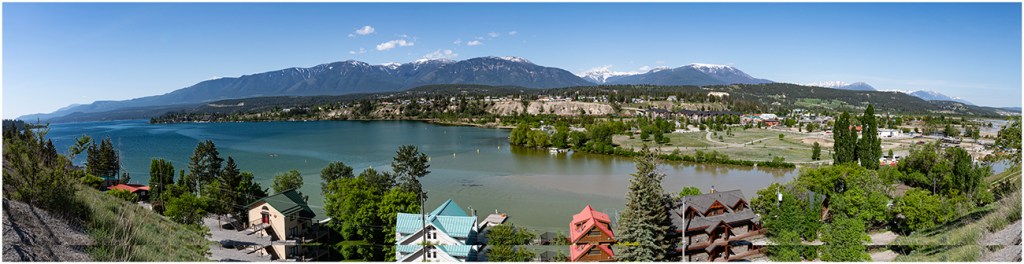
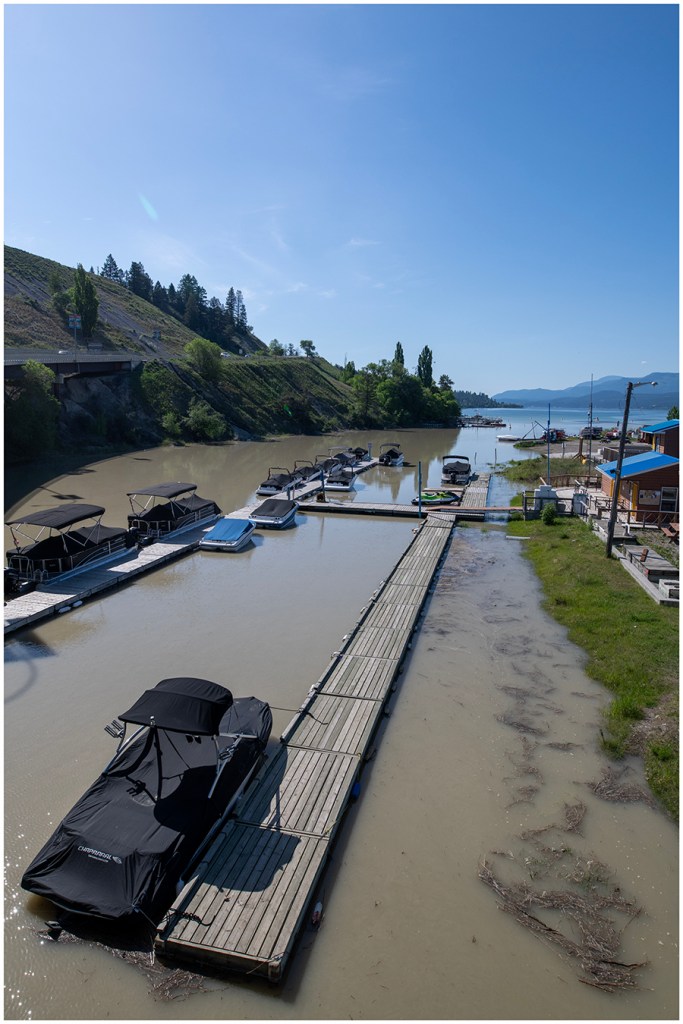
The mouth of Lake Windermere. The brown water from Toby Creek can be seen backing up into the blue water of Lake Windermere. Picture taken on May 28th, 2026 before the rain started.

We have had a good dose of moisture starting about a week ago. It has been nice. The grass is knee deep. My plan was to mow it today, as the rain looked like it was going to stop, but overnight it started again.

Yesterday, I hilled the potatoes. Everything is up in the garden and enjoying the moisture. Once the sun shines, everything will take off.

These pictures were taken a week ago. They show the Columbia River leaving Lake Windermere. As often happens at this time of year, when the mountain snow melts and we get rain, the river flows backwards into the lake.

This is caused by Toby Creek backing up where it enters the Columbia about a mile to the north. The course of Toby Creek has been altered over the years to help prevent flooding in Athalmer. In the past, Toby Creek would rush out of the mountains and create an alluvial fan stretching from the mouth of Lake Windermere to well below where it enters the Columbia today.

Standing on the benches above Invermere and Athalmer, one can almost see where Toby Creek once spread out across the valley. It was in this area that salmon spawned before dams blocked their passage from the Pacific Ocean.

The Columbia River flowing backwards is a reminder that nature cannot be denied.

There have been several instances over the past decade when Invermere’s sewer system has struggled at this time of year. Panorama has also experienced problems with its wastewater system. Both systems discharge treated wastewater into Toby Creek.
A couple of years ago, I wrote to several District of Invermere officials expressing concern that untreated sewage could potentially flow into Lake Windermere when the river backs up. The fact that untreated sewage could enter a river is troubling enough. I specifically mentioned the possibility of it backing into Lake Windermere because the lake is viewed as central to the region’s tourism economy, and tourism appears to be what attracts the attention of local decision makers.

However, I received no response. Not a word. Other than what I viewed as an attempt by District of Invermere Council to assassinate my character and make my views illegitimate. https://palliserpass.ca/2023/06/17/mid-june-2/

We are blessed to live at the source of the Columbia River. Over the years, we have changed it to meet our needs. Many of those changes have been devastating to its natural flow, its native species, and the Indigenous peoples who relied on its life giving gifts for thousands of years.

Today, it sometimes seems our primary goal is simply to keep Lake Windermere clean enough to support tourism, large wake boats, and the second home market.

Instead, each of us who lives here should consider ourselves a guardian of the land. Of course, every one of us leaves a footprint, and every footprint has consequences. But why take more than we need?

Some things are more important than growth and convenience. The lakes and rivers that sustain us are among them.
A Kick in the Groyne

The Akisqnuk First Nation, which is part of the Ktunaxa Nation, has recently opposed a couple of projects regarding Lake Windermere.

The first was dredging a portion of the lake to create a boat marina at Thetheway Beach. Thetheway is a vacation home area in Windermere. The new boat docks would be for the exclusive use of Thetheway residents, most of whom are from Alberta.

The second is the refurbishment of a boat launch at Athalmer, located on District of Invermere property. At one time, the District considered buying a crane to expedite putting boats in the lake. That’s probably still coming.

The general consensus among many residents is that there are already too many jet, motor, and wake boats on Lake Windermere.

The Akisqnuk First Nation’s stance is that there is a state of lawlessness on and around Lake Windermere. Docks and boat launches are being built off the ever-growing number of lakeshore second homes. Buoys are being placed along the shores to moor motorboats. There is also the claiming of shoreline ownership by many second-home owners, even though land up to twelve feet above the high-water mark is designated as public. In addition, there has been the takeover of public rights-of-way to the lake by homeowners.

These homes along the shores of Lake Windermere are worth millions and are mostly owned by people from out of province who feel entitled to do as they please.

The District of Invermere is very much in favour of this takeover by vacationers of Lake Windermere, as they reason it brings money into the valley. Since the District’s mayor and councillors are made up of people who own businesses, I can understand why they would want to support the agenda of second homeowners as it puts money in the pockets of businesspeople, and they are, above all, who they represent.

Also on the agenda is the potential removal of the rock groyne at the mouth of the Columbia River at the north end of Lake Windermere. Every year, at least a few expensive motorboats are damaged when they run into it, even though it is clearly marked.

The groyne has been there since the 1800s, and it is unclear what its purpose was. It could have been to deepen the channel to make boat passage easier, or it may have been used for fishing when salmon spawned in the area. It may also have been built to prevent Toby Creek from changing the channel.

Regardless, boaters and the District want it gone.

I am glad the Akisqnuk First Nation has stepped in. Someone has to try to protect the lake from this kind of unchecked development.

Photo Project

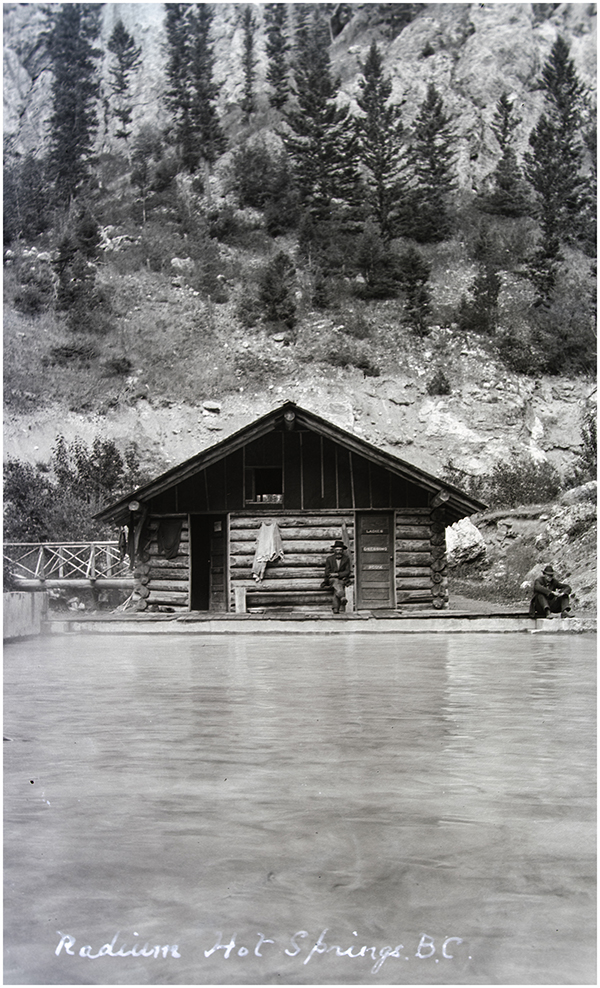
Radium Hot Springs Pool, Circa 1920, A.E. Fisher.

I have started on a project I have been wanting to do for some time. My parents left me a large collection of historical photographs, most dating from the 1920s and 1930s. All of the images exist only as negatives, with no printed positives, which makes it difficult to assess their quality or even know exactly what they depict. Until they are digitized, much of the collection remains effectively hidden.

The photographs are from various photographers, but many are attributed to A.E. Fisher, one of the first photographers in the area. The negatives measure 3.25 by 5.5 inches and contain exceptional detail. Many are beautiful images of the region and its people from a time before the area was widely populated. Included in the collection are approximately 110 negatives of First Nation people.

I have worked with these First Nation negatives in the past to ensure the Ktunaxa Nation received digital copies for their archives. Many of these images are both striking and historically important, documenting a period for which relatively few photographs exist.

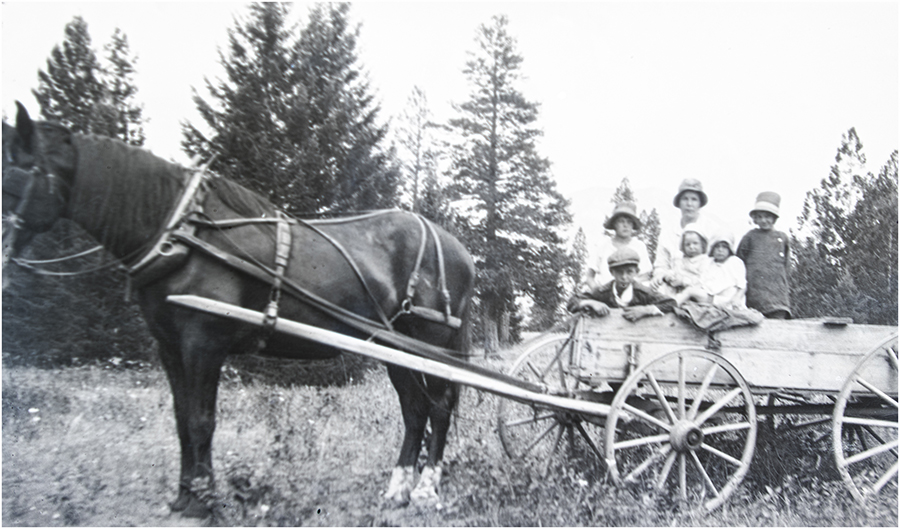
Family outing, A.E. Fisher.

One of the main reasons I put this project off for so long was the amount of time required to digitize the collection. Using a flatbed scanner, each transparency scan takes a significant amount of time, followed by additional processing of the digital file. To speed things up, I developed a more efficient workflow by photographing each negative on a light box using a digital camera. The files are then cropped and reversed into positives in Photoshop, where I also make minor corrections. The images are then downsized and imported into Lightroom, which provides robust library and archiving tools. At this stage, descriptions and keywords are added to make the images easily searchable.

The resulting files are not necessarily intended for high-end printing—although decent prints could certainly be made—but rather to create a practical, accessible archive for future use. Once digitized, the original negatives are filed and labeled with corresponding file names. If a high quality large print was needed the original negative could be accessed and scanned.

Each negative now has an associated digital file that can be searched on a computer and includes information such as photographer, location, and subject matter. This allows the images to be used for research, storytelling, and printing while protecting the original negatives from further handling and deterioration.

It is a large and time-consuming project, but a worthwhile one. Already, I have uncovered photographs that are both fascinating and historically significant—images that may otherwise have remained unseen.

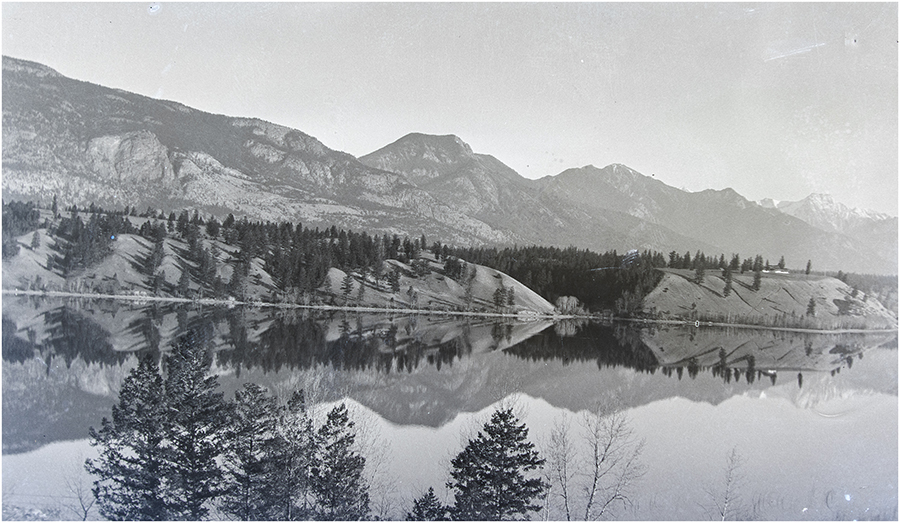
Lake Windermere, Circa 1920, A.E. Fisher.
This shows the east side of Lake Windermere before development.

Early 2026

Scarlett, Lisa and Cooper skating on a freshly frozen Lake Windermere.
Scarlett giving me the eye!
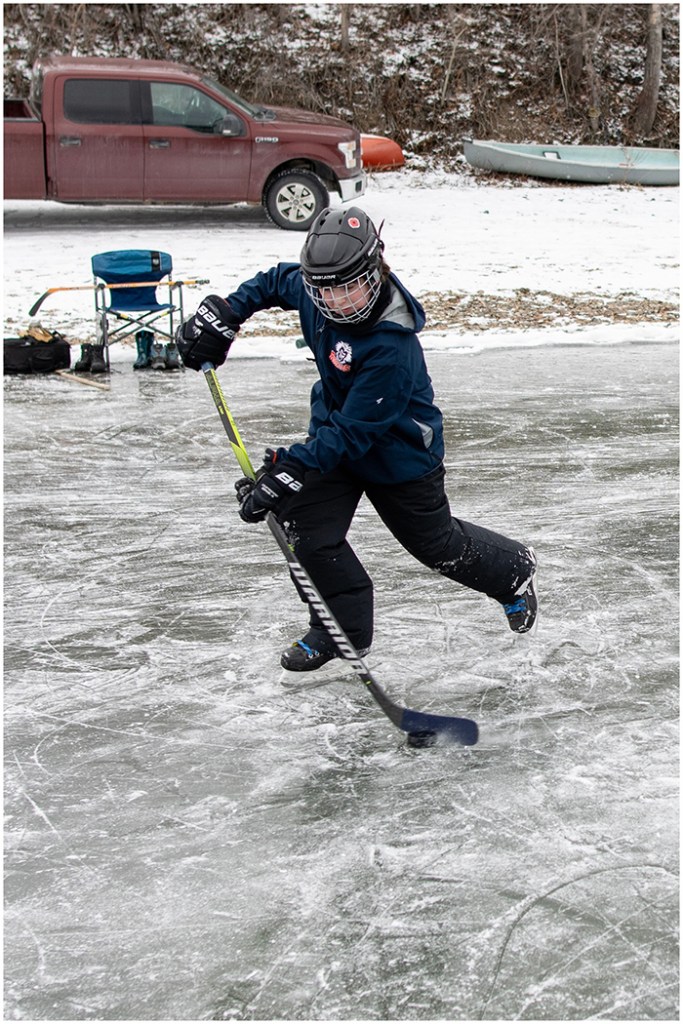
Cooper practicing his one-timers (look at the whip in that stick).
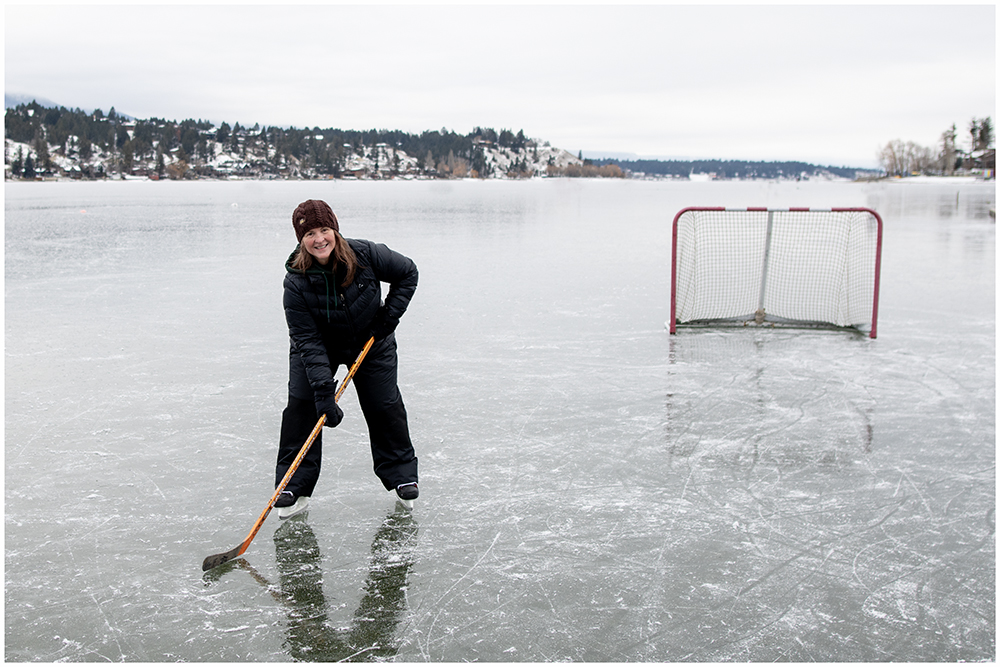
Lisa teaching the kids Grandma still has it!
Lisa about 40 years ago skating in the same spot.
Cooper takes Scarlett for a ride.
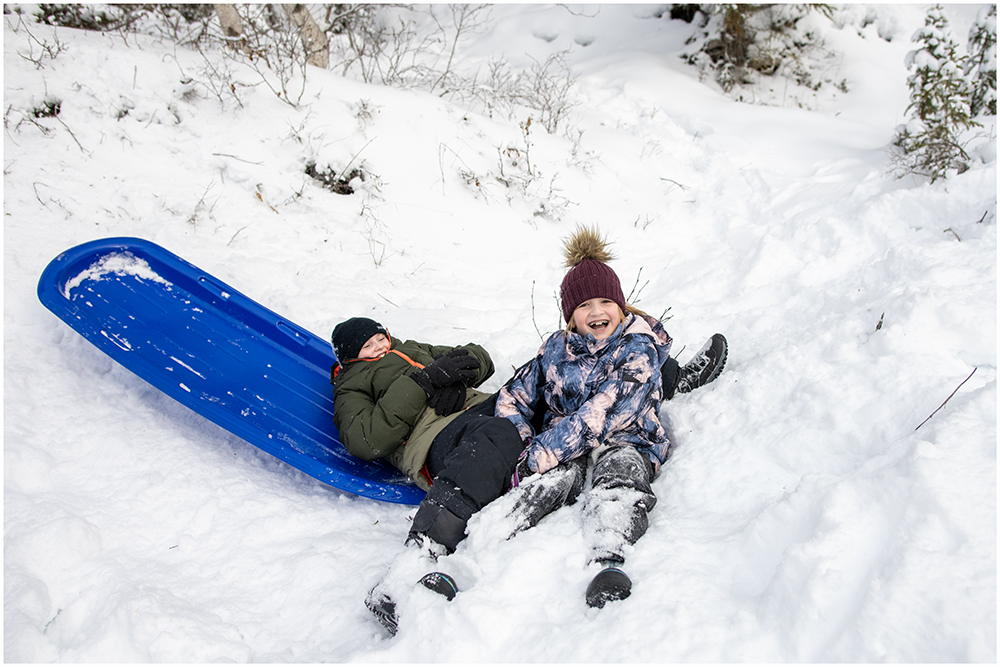
The kids make a crash landing.
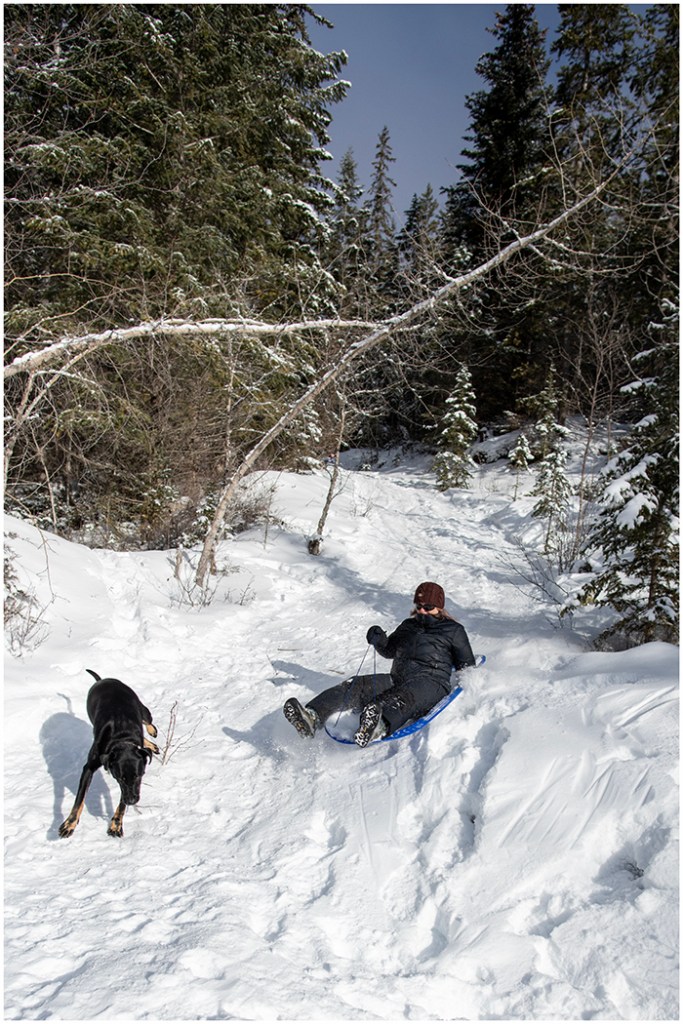
Lisa and Lola sliding down the hill.
Cooper and Kelsie staying warm.
The Old Man rings in the New Year. Two posts and in!

Winding Down

Finally a good layer of ice on the lake. Providing there is no snow tonight, Cooper and I will be heading down for a skate. We will have a few pucks to toss back and forth. We might even take the net. You learn fast if you miss it you have to skate a long ways to retrieve the puck.

It’s good to feel the cooler temps.

Ice-Out on Lake Windermere

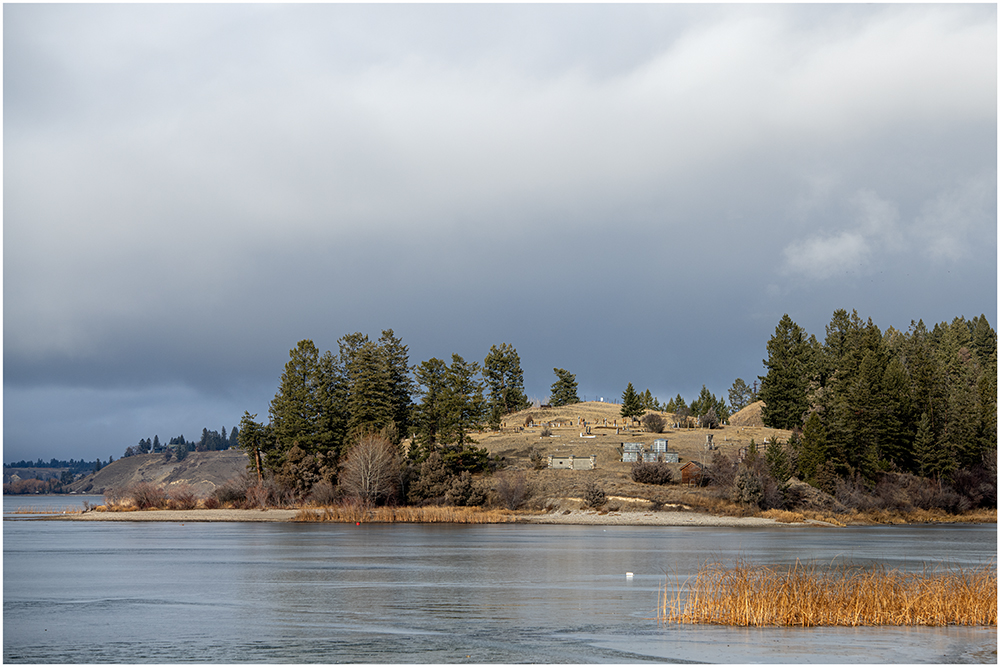
Only a thin layer of ice remains on the south end of Lake Windermere. Looking close you can see the ice breaking up. The ice is about midway in the lakes 12 mile length.

Incredibly mild weather for December. +6°c, rain and a stiff south wind. The ice on about half of Lake Windermere has gone out. In the sixty, some odd, years I have been observing the lake I cannot remember it doing so in December.

The ice was late forming this winter with only a thin skim by the end of November. I am usually skating on the lake by the end of November. This year I went for a swim instead.

Standing at the north end of the Lake near dark. The ice in the foreground has been blown to the shore.

In the early 2000’s, when I was with the newspaper, I can remember writing an editorial mid December to be careful on the lake ice as it could be unsafe. It had been mild that year. The point of the article was to warn tourists and second home owners to be mindful as they may have been used to driving on it in December. The way it looks this year the tourists and vacation home owners could be putting their jet boats back in for the Christmas holidays.

The lake in winter has always been a special place for me. Skating, skiing, driving and fishing. There is nothing like being out there in the cold and quiet. Whenever I have had to endure pain I’ve always thought of the lake and the silent white surroundings while standing in the middle to get me through. It is what I imagine heaven to look like. It truly is a remarkable place.

We are expecting more warm weather. If so I can only guess the rest of the ice will break up and flow down the Columbia.

If my old friend Ray was still alive, he passed a few years ago at 103, I’d ask him if he’d ever seen this before. I would bet he would say no and be equally surprised. As I’m sure my Dad would have been. Christ, I’m an old-timer now and I’ve never seen Lake Windermere open in December.

A Cold Warm

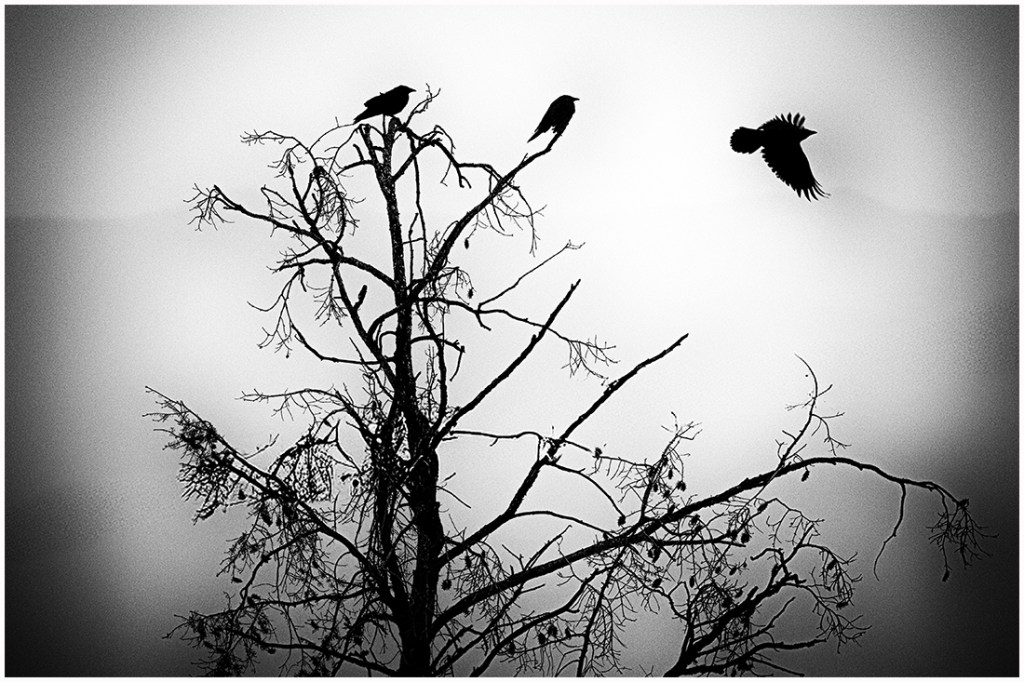
Winter tree.

Rain in the valley bottom. I was sure the lake was going to go back out. It hung in there but the ice is thin.

Lisa and I headed into the mountains yesterday. when we started heading up the rain turned to snow and covered the trees and turned it into a winter wonderland. Willow chased snowballs and looked a little like a snowball herself.

Today I went back up and the snow had turned back to rain. The snow covered trees had shed their layer of white. It was foggy as temperatures adjusted. It has been a very mild winter so far.

Bohemian Waxwing.

We headed for the lake and ran into a flock of waxwings looking happy. Somewhere along the way Willow decided to roll in what I believe was goose shit. The warm weather has revealed smells for her to discover.

Back when I was a kid if our dog rolled in something they weren’t allowed in the house. They had to stay outside day and night until they were deemed fit to come back inside. I mentioned this to Lisa but she didn’t think this would be fair to Willow. Instead she said I should give her a bath and told me Willow’s shampoo is in the left drawer of the bathroom cabinet.

The Ol’ Boneyard.

The bathroom cabinet is under the sink. It has 2 drawers and 3 cupboards. I realized then, as it had never occurred to me, Willow and I share one small drawer in the bathroom. Shampoo, tick repellant, cider vinegar for skunk smell and a couple razors. The rest of the cabinet is for Lisa’s stuff. I mentioned this to her and she said, you two are low maintenance.

It’s bound to get cold sometime. I wish it would hurry up. This mild wet weather always makes a body feel cold. A warm cold.

Return

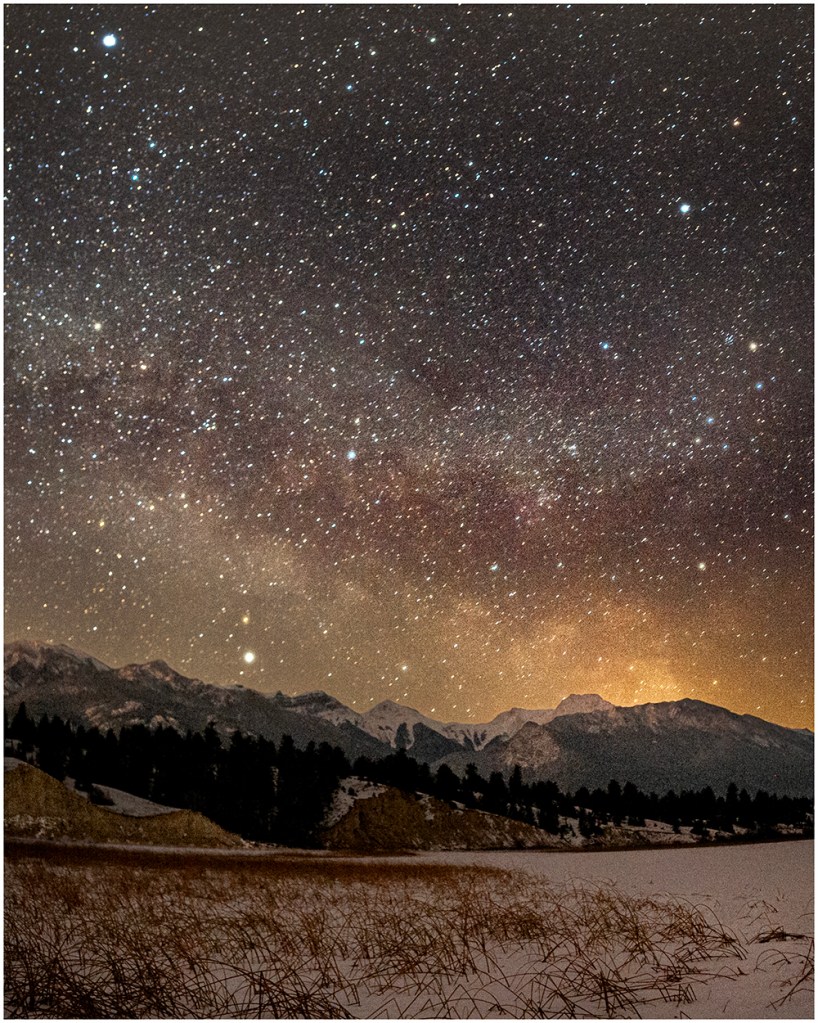
Willow and I were first in the mountains then down the lake, on the west side, anticipating the return of the galactic centre. Willow barked at the coyotes yipping. An owl started up somewhere behind us, then was quiet, maybe busy filling it’s belly with an unlucky vole.

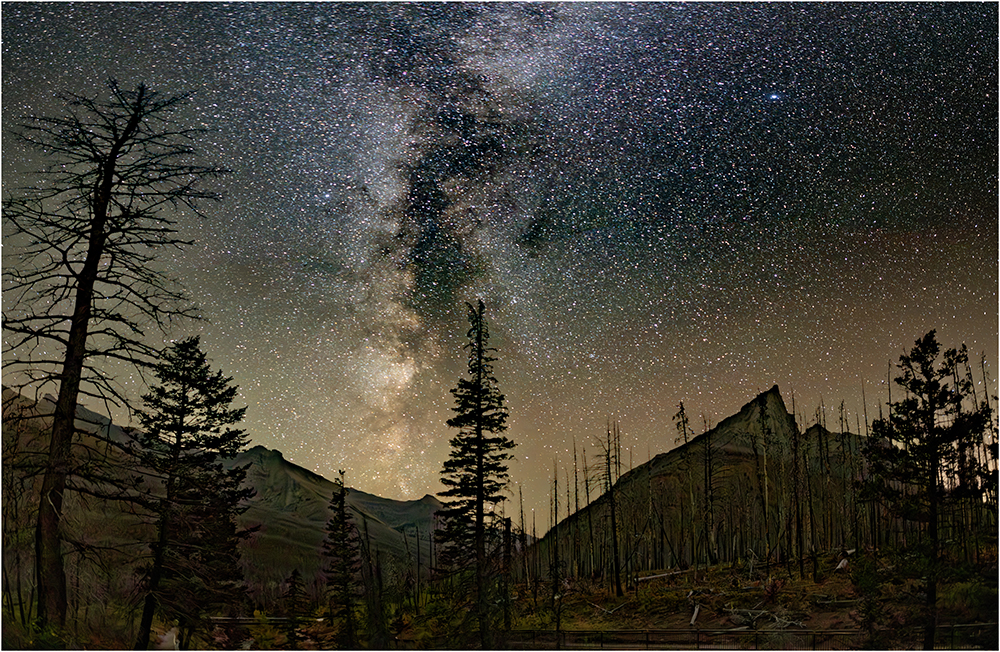
The Milky Way curved from north to south. The stinger of Scorpius glowed red, a smear of greenish northern lights, turning magenta over the Giant Chief Nutmuq¢in.

An imagined glacier under foot. Even Willow bought into my tall tail, and gave me the cautious look of, let’s not fall through. You worry to much old hound, just the same, there is coffee an’ a muffin waiting. Plus we had our proof, spring is really on its way.

The Plunge

The Walrus Water Society 2025 before the plunge. Scarlett, Tom, Hunter, The Old Man, Eddie.

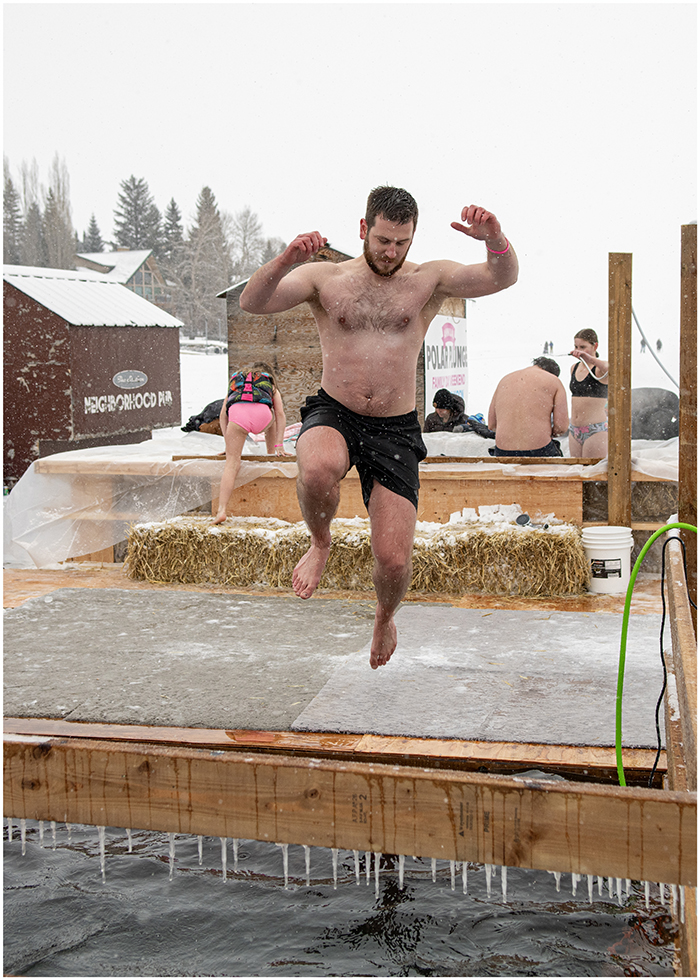
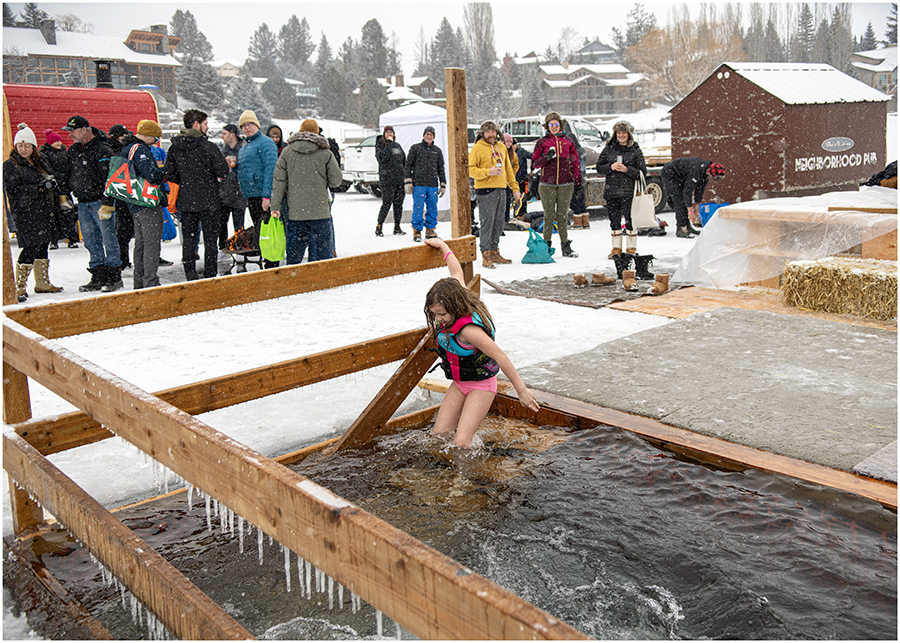
A great day for the Polar Bear Plunge. Everyone had a great time. It was Hunter, Eddie, and Scarlett’s first time plunging through the ice into the frigid waters of Lake Windermere.

The crowds and participants just keep getting bigger each year, and why not, it is great fun and quite invigorating.

Here are a few pics of The Walrus Water Society 2025.

Hunter doesn’t waste any time getting in.
Scarlett does it the hard way be going down the steps. Very brave.
Come on in the water is fine.

Dream

After the rain.

Dug the garlic today. About 120 heads of purple hardneck. I laid it out to dry and damned if we didn’t have a hard rain. Granted it didn’t last long. It was marvellous to feel. It was like the earth lapped it up. The birds even came out and seemed to rejoice in the damp, warm air.

Deb’s bouquet.

The garden is doing what it can. Picked a bunch of peas. Not easy. The wind has blown most of the vines off the fences, making one pick through the tangle. I know I’m missing as many I’m picking. Willow helped out picking, but she ate the ones she picked not contributing to the bucket. Once and awhile I’d give her a pod I’d eaten the peas out of. She would nosh it around and spit it out, giving me a dirty look. She will eat the pea pods as long as they have peas in them, take the peas out and try to pawn them off and she will let you know you are a cheat.

The mosquitoes have been atrocious. The garden is almost unbearable. At night we usually have at least a few driving us crazy. The buggers having followed us through the door. Sometimes I hear Willows jaws clack as she tries biting them out of the air. They are tough to get in the pitch black.

The fire in the Palliser River area is getting bigger. It has burned a lot of country that Lisa and I love. It will be something to see when we can get out there.

It is a long weekend and the tourists are unrelenting. Hordes all trying to do everything at once. I am not sure if they even notice the smoke obscuring the mountains or the sun that rises and sets blood red, on fire through a thickening haze.

Humans are something. I dreamt that the town and hills surrounding the lake were on fire, like they will be one day, while the long grass, trees and homes burned, the tourists in their wake boats just kept jetting around the lake, pulling water skiers and surfers, kids on tubes, loud music from big thumping speakers, laughter, cocktails, bikinis and sunglasses, sunblock and beer bottle empties thrown overboard. Making sure they are draining their tanks, getting their kicks before the lake starts to boil.

Just a bad dream. Exacerbated by the heat, smoke and pesky mosquitoes.