Mid July

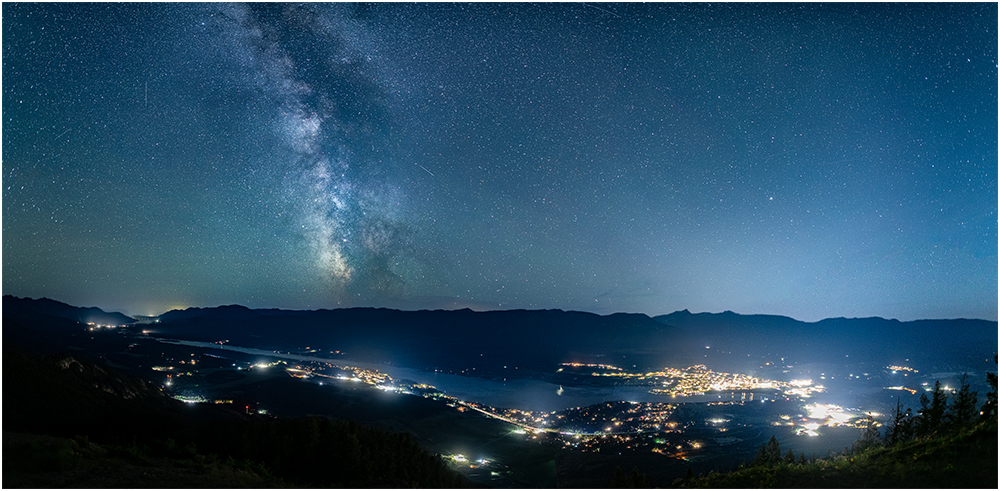
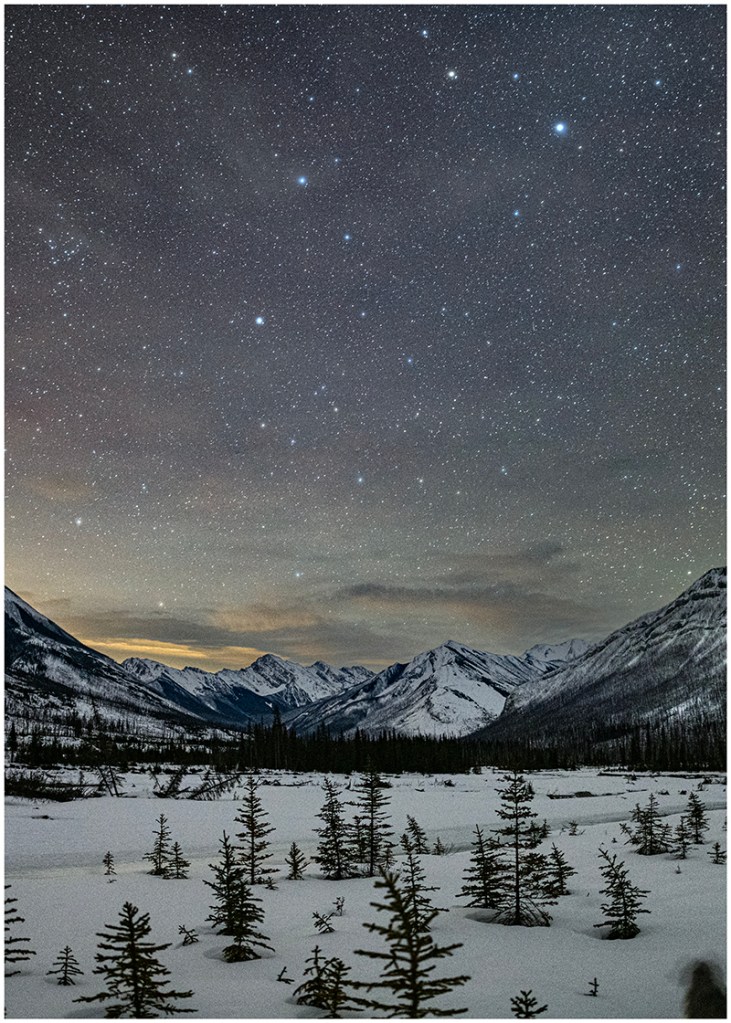
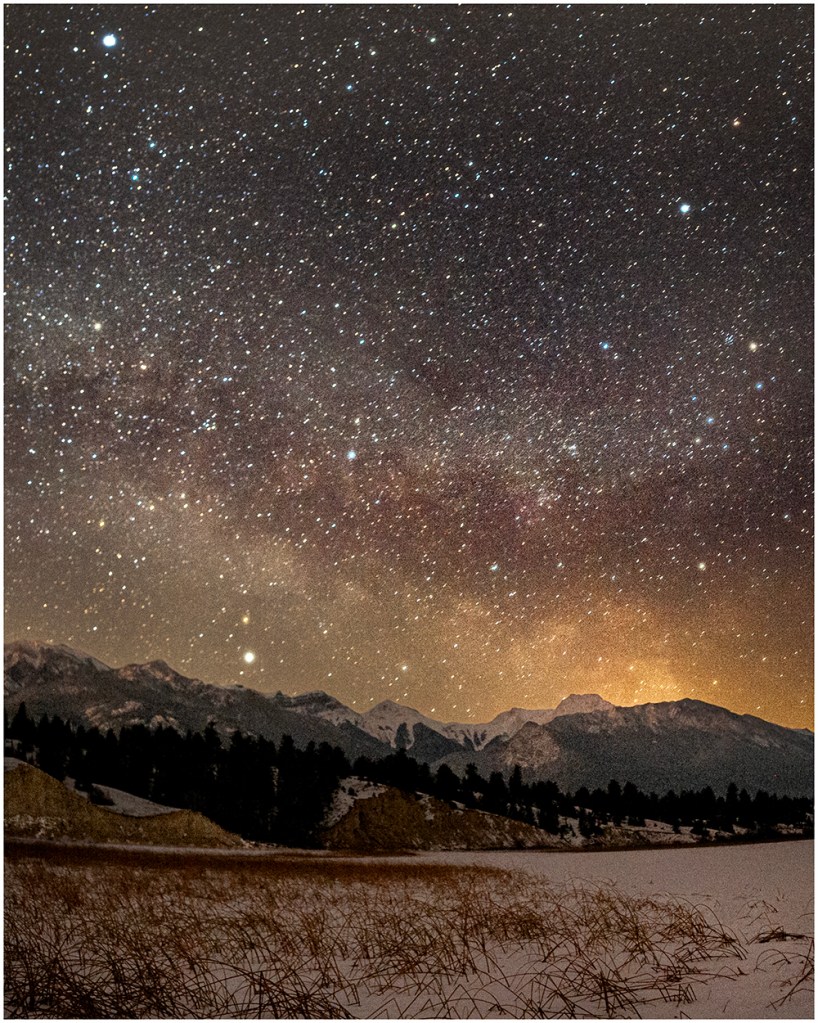
The bright light of Invermere compete with the Milky Way.

There was a time when we used to run up Mt. Swansea and spend the night in the fire lookout. We challenged each other when we were teenagers. Usually booze was involved, as it seemed to be in just about everything if you grew up in the valley.

That lookout could get cold. I remember one of our drunken ascents, waking up freezing in the morning. My friend had wrapped himself in a sheet of plastic he’d found. At first glance, I wondered if he had suffocated himself. Luckily, he’d left just his nose uncovered so he could breathe.

The fire lookout had a mounted scope and a large map of the entire area spread across a table in the middle of the room. If the lookout spotted a fire, they would locate it on the map and radio in the coordinates. The lookouts don’t exist anymore. Satellites, helicopters, and GPS have taken their place. The one on Swansea was dismantled long ago.

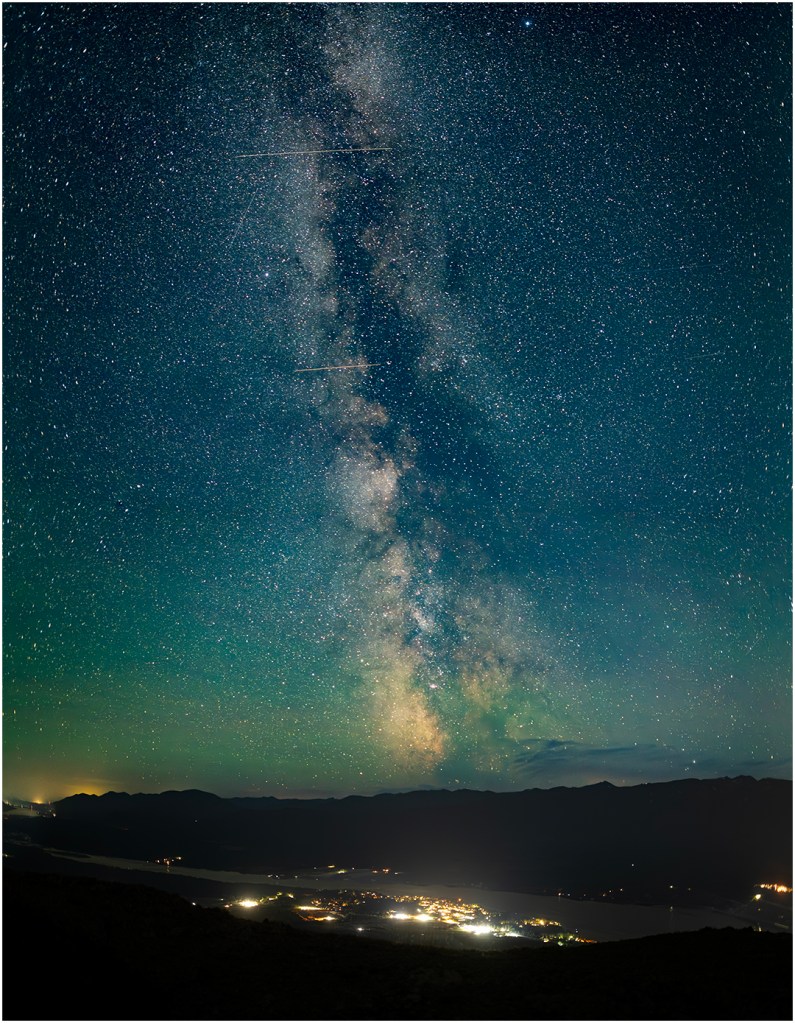
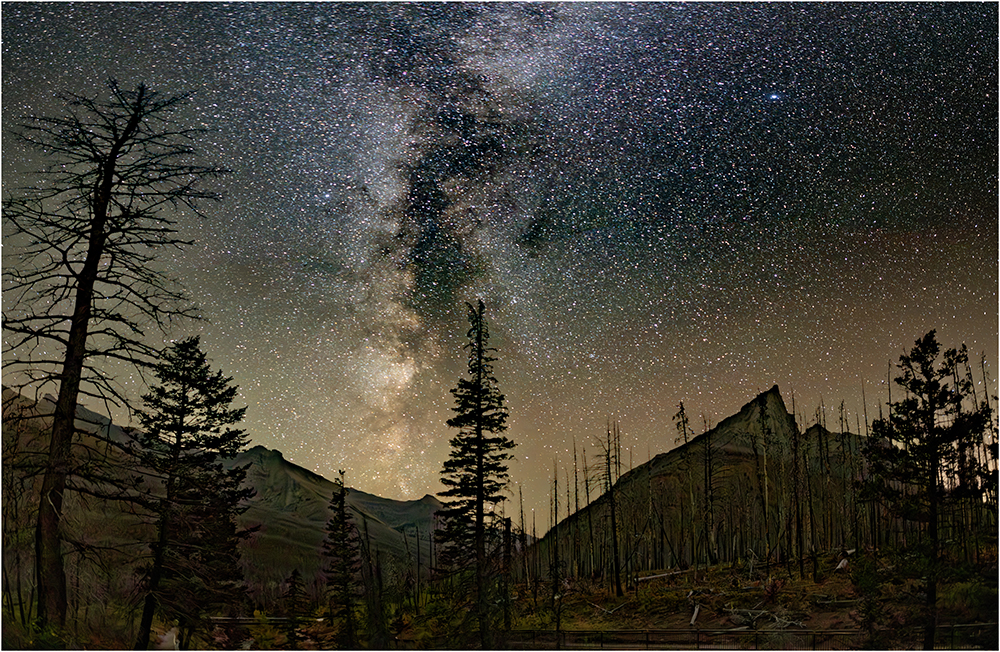
The Milky Way through the smoke rises above the Town of Windermere and Lake Windermere.

Tonight, I drove most of the way up and hiked the last section to the summit. The mountain is used primarily for mountain biking now, and I rarely go up anymore. But I figured it would be quiet in the middle of the night, and I was right. There were only rabbits and one owl that silently flew across the trail in front of me, giving me a start just the same. Willow would have taken exception to that.

At the top, I took a few photos from the spot where the lookout once stood. There are definitely more lights now than when I used to run up here. It was a young moon and had set much earlier. There was some smoke and a few low clouds, but otherwise the viewing was good. The lights washed out many of the stars, but the Milky Way could still be seen clearly.

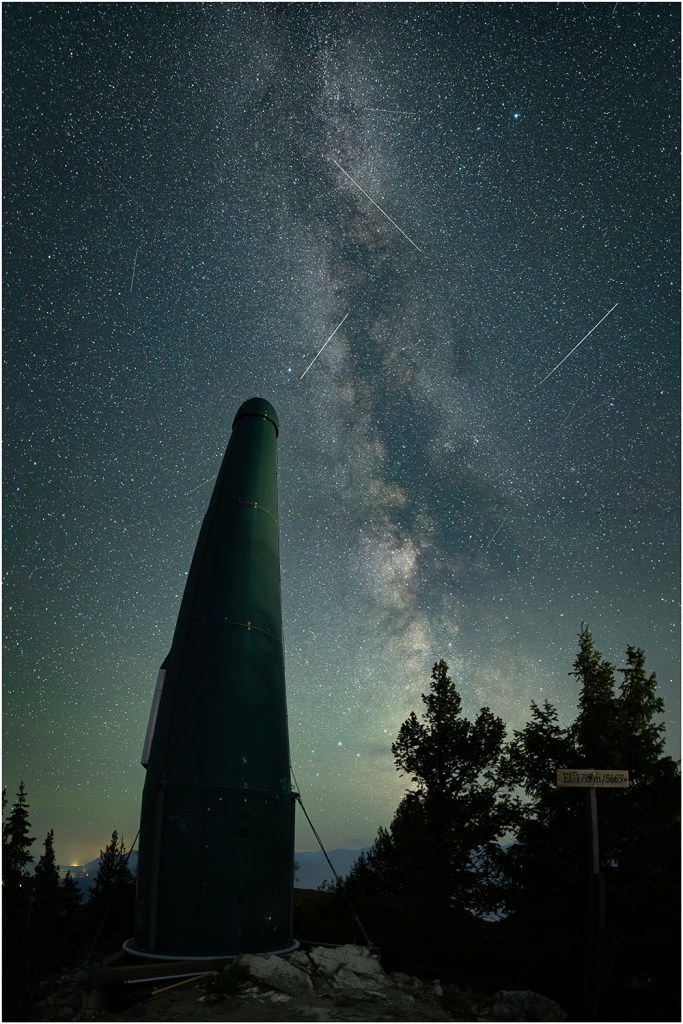
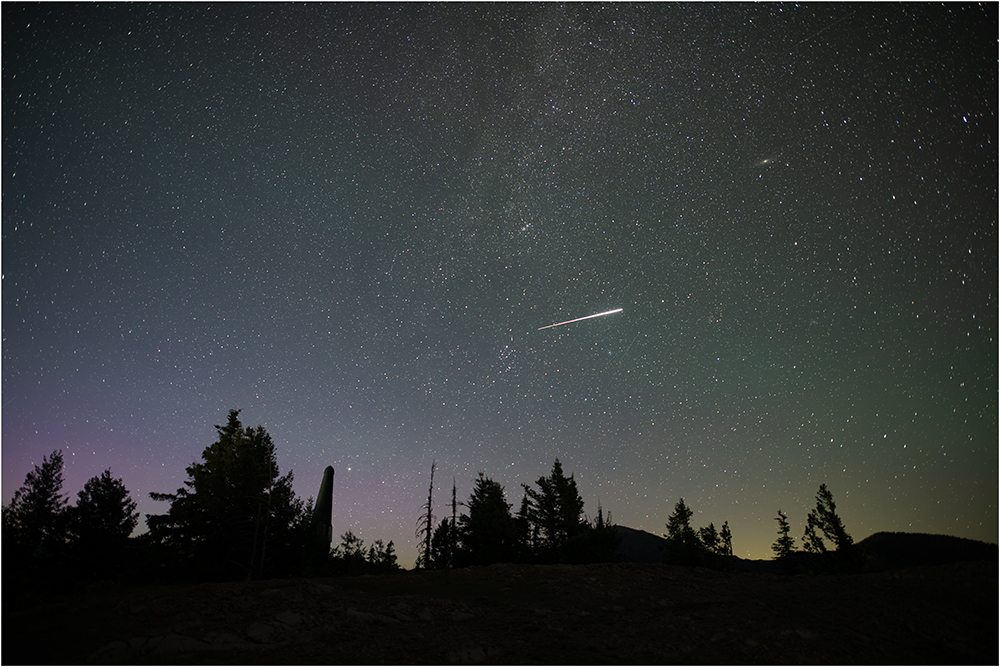
Ready for take off. Several satellites cut through the galaxy.

This may look like a meteor near Perseus, however it is either the International Space Station or the China Space Station. The streak is the distance it moves during the 20 seconds the camera shutter is open. It started very bright then faded.

Old Friends

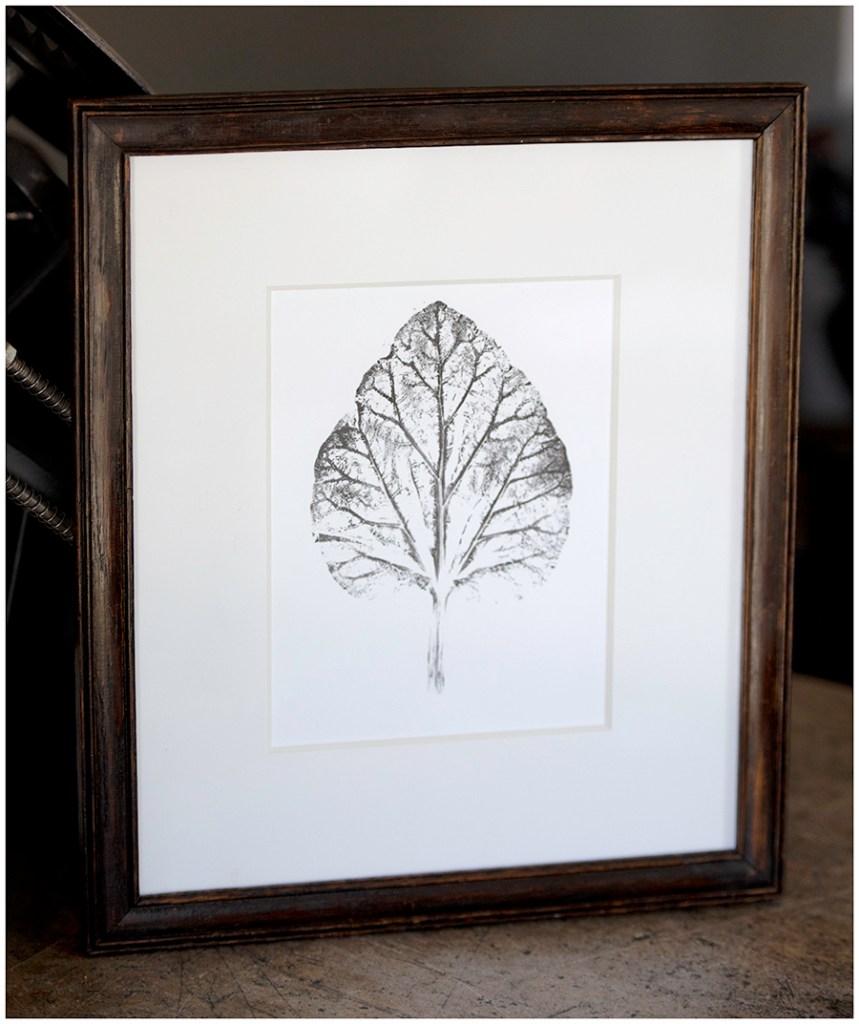
The old frame with a repurposed matt and rhubarb leaf print done on Environment 110 lb card with printers ink.

I don’t see many people at work anymore. That’s by choice.

My jobs come to me through an app the night before or first thing in the morning, and away I go. With a little planning, it’s easy to schedule jobs for times when people are less likely to be around.

My phone is set to accept calls only from work or immediate family. My bosses contact me through the app. Everything else is screened by AI.

It’s a survival tactic after years of being available at a moment’s notice to everyone, business and personal. This is where I am right now, and it’s working. It means less money, but more peace of mind.

The other day, though, I had two unexpected encounters with old friends.

While pulling into the gas station to refill a propane tank, I noticed a man standing beside a beat-up truck with a jerry can. He was holding a sign asking for gas money. He looked like someone I hadn’t seen in years. As I was leaving, I pulled up behind him. Not completely sure, I walked over and said his name.

He looked at me and replied, “Rob.”

Not many people ever called me Rob. He always had, ever since we met in grade school.

I hadn’t seen him since high school. He was a year ahead of me. He grew up in a small house close to the school with a short fence around it, kept in immaculate condition by his parents, who were wonderful people. He had several siblings.

We talked for a while. He introduced me to his wife, who was sitting in the truck. They were living out in the bush and invited me to stop by if I was ever in the area. I knew exactly where they had set up.

Living in the bush is something more and more people are doing these days. Of course, no one really wants to. The cost of living, especially housing is simply beyond the reach of many people in the valley.

Lisa and I were fortunate to buy our house almost forty years ago, when our money had much more buying power and owning a home was still within reach.

It was good to see him again and to meet his wife. I helped them out with some gas money, or whatever they felt they needed most. Lisa was saddened to hear about their circumstances. We’ll keep an eye out for them through the summer.

It seems that whenever I run into longtime locals, their circumstances are rarely good. Progress and unchecked growth, instead of delivering on their promises, have too often displaced the very people who built this valley.

The second encounter happened only about an hour later.

I pulled into a parking lot beside a Hummer covered in a realtor’s logos. I know the realtor. As far as realtors go, he’s one of the better ones. I saw him walking toward me and thought, Oh shit… I’m going to have to talk to him.

Just then a little beater car came flying into the lot, slammed on the brakes, kicked up a cloud of dust, and blocked both me and the Hummer in.

It was B. I hadn’t seen him in quite a while. He was another I went to school with. We’d also worked together years ago, and I never tired of his sense of humour. He delivered everything, good news or bad, with the same grin. He could get away with saying things no one else could.

The realtor looked more than a little surprised as B threw the car into reverse and cleared a path for the Hummer.

Then we stood there laughing and catching up.

B is on disability now with a bad back. His father had recently died just shy of a hundred years old, and B told me he’d taken to riding his mobility scooter down to the beach.

“Jesus, B,” I said. “You can walk.”

“Sure,” he said. “But this way I’ve always got a chair to sit on.”

That somehow led us onto another cheerful topic – dying.

B told me that years ago his ex-wife had suffered a series of heart attacks and was lying in the hospital on life support. When he went to visit, the staff assumed he was her current husband.

“They asked me what I thought,” he said. “I told them, ‘Pull the tubes. Unplug her. No one should have to live like that.'”

While the staff went to get the doctor, her actual husband arrived.

“He told them not to unplug her,” B said. “‘She’s the only thing I’ve got.'”

B looked at him and said, “That’s bullshit. She’s just another welfare cheque to you.”

I stared at him.

“Holy shit,” I said. “What happened to your ex-wife?”

“Oh, she’s fine.”

“She recovered?”

“Oh yeah. This was years ago.”

“Damn, B,” I laughed. “You almost killed her.”

“Yup,” he said with that same big grin.

Then he peeled away, kicking up the dust that had finally settled since the beginning of our conversation.

I’m still laughing.

It’s good to only see the people you want to.

How High’s the Water, Mama?

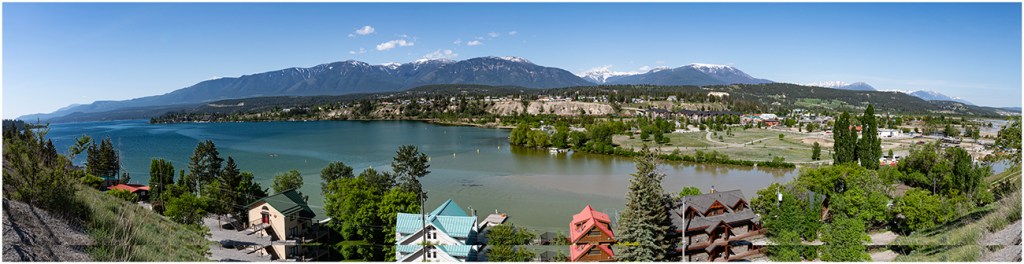
The mouth of Lake Windermere. The brown water from Toby Creek can be seen backing up into the blue water of Lake Windermere. Picture taken on May 28th, 2026 before the rain started.

We have had a good dose of moisture starting about a week ago. It has been nice. The grass is knee deep. My plan was to mow it today, as the rain looked like it was going to stop, but overnight it started again.

Yesterday, I hilled the potatoes. Everything is up in the garden and enjoying the moisture. Once the sun shines, everything will take off.

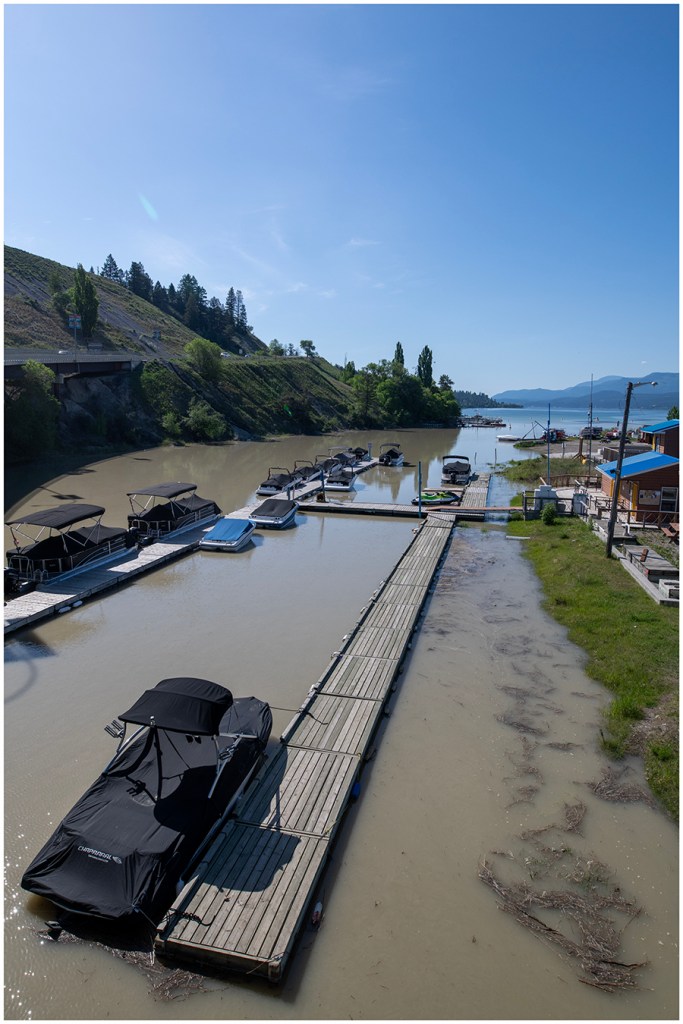
These pictures were taken a week ago. They show the Columbia River leaving Lake Windermere. As often happens at this time of year, when the mountain snow melts and we get rain, the river flows backwards into the lake.

This is caused by Toby Creek backing up where it enters the Columbia about a mile to the north. The course of Toby Creek has been altered over the years to help prevent flooding in Athalmer. In the past, Toby Creek would rush out of the mountains and create an alluvial fan stretching from the mouth of Lake Windermere to well below where it enters the Columbia today.

Standing on the benches above Invermere and Athalmer, one can almost see where Toby Creek once spread out across the valley. It was in this area that salmon spawned before dams blocked their passage from the Pacific Ocean.

The Columbia River flowing backwards is a reminder that nature cannot be denied.

There have been several instances over the past decade when Invermere’s sewer system has struggled at this time of year. Panorama has also experienced problems with its wastewater system. Both systems discharge treated wastewater into Toby Creek.

A couple of years ago, I wrote to several District of Invermere officials expressing concern that untreated sewage could potentially flow into Lake Windermere when the river backs up. The fact that untreated sewage could enter a river is troubling enough. I specifically mentioned the possibility of it backing into Lake Windermere because the lake is viewed as central to the region’s tourism economy, and tourism appears to be what attracts the attention of local decision makers.

However, I received no response. Not a word. Other than what I viewed as an attempt by District of Invermere Council to assassinate my character and make my views illegitimate. https://palliserpass.ca/2023/06/17/mid-june-2/

We are blessed to live at the source of the Columbia River. Over the years, we have changed it to meet our needs. Many of those changes have been devastating to its natural flow, its native species, and the Indigenous peoples who relied on its life giving gifts for thousands of years.

Today, it sometimes seems our primary goal is simply to keep Lake Windermere clean enough to support tourism, large wake boats, and the second home market.

Instead, each of us who lives here should consider ourselves a guardian of the land. Of course, every one of us leaves a footprint, and every footprint has consequences. But why take more than we need?

Some things are more important than growth and convenience. The lakes and rivers that sustain us are among them.

Early May

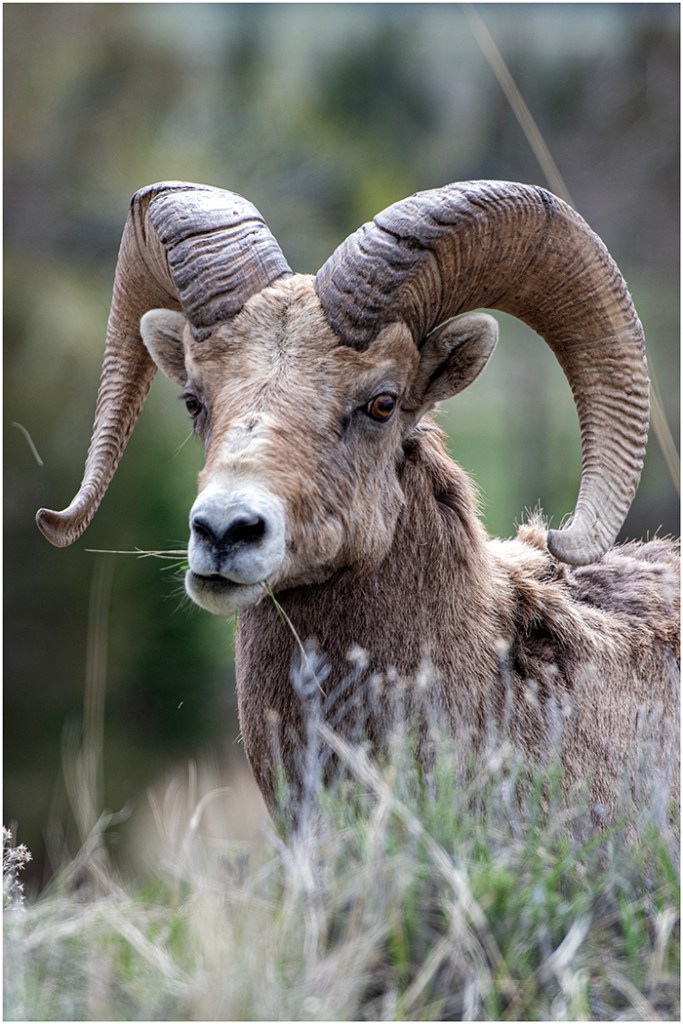
A Bighorn of the pressured Swansea herd. Photo by Lisa.

The Starlings outlasted the Flickers for the hole in the tree to build their nest. They are busy darting in and out. I try not to look at them as they get nervous with their eggs. Each day I put out a few peanuts for a Crow that is back to watch over the garden. The Crow used to bother Willow.

Not much moisture yet. I dug out some old raspberry canes that had stopped producing to make room for some squash plants. My kids are excited for the garden this year as the price of produce skyrockets. The thing about Lisa and I is we come from a long line of people who had very little, so it’s in our DNA to be able make do with not much.

Meanwhile the tourists and second home owners are flowing into the valley tearing it up.

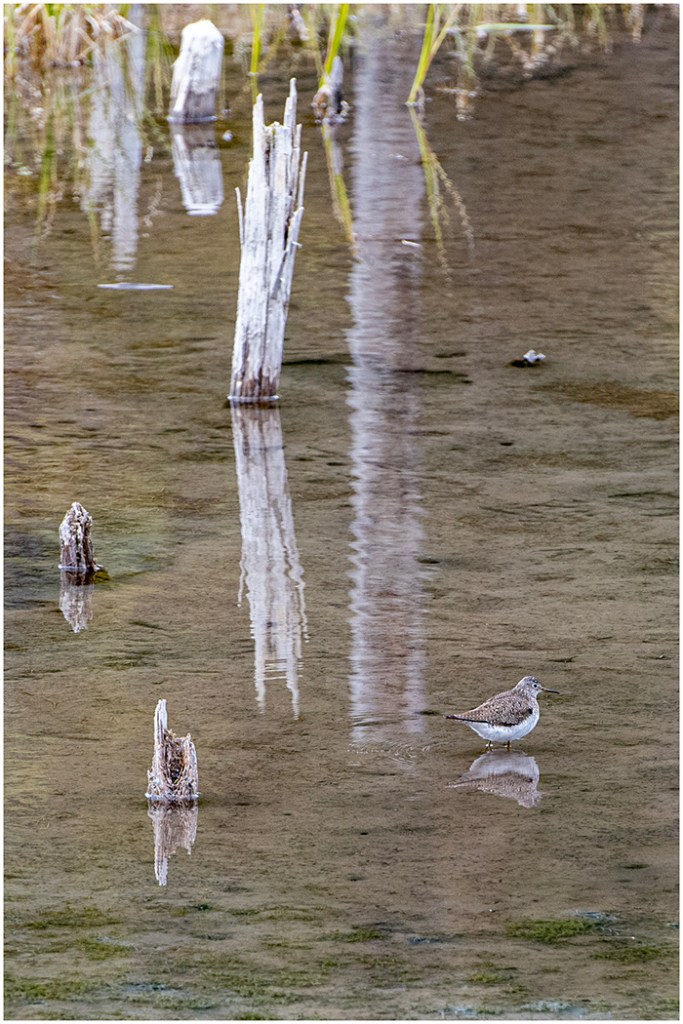
Killdeer

A Kick in the Groyne

The Akisqnuk First Nation, which is part of the Ktunaxa Nation, has recently opposed a couple of projects regarding Lake Windermere.

The first was dredging a portion of the lake to create a boat marina at Thetheway Beach. Thetheway is a vacation home area in Windermere. The new boat docks would be for the exclusive use of Thetheway residents, most of whom are from Alberta.

The second is the refurbishment of a boat launch at Athalmer, located on District of Invermere property. At one time, the District considered buying a crane to expedite putting boats in the lake. That’s probably still coming.

The general consensus among many residents is that there are already too many jet, motor, and wake boats on Lake Windermere.

The Akisqnuk First Nation’s stance is that there is a state of lawlessness on and around Lake Windermere. Docks and boat launches are being built off the ever-growing number of lakeshore second homes. Buoys are being placed along the shores to moor motorboats. There is also the claiming of shoreline ownership by many second-home owners, even though land up to twelve feet above the high-water mark is designated as public. In addition, there has been the takeover of public rights-of-way to the lake by homeowners.

These homes along the shores of Lake Windermere are worth millions and are mostly owned by people from out of province who feel entitled to do as they please.

The District of Invermere is very much in favour of this takeover by vacationers of Lake Windermere, as they reason it brings money into the valley. Since the District’s mayor and councillors are made up of people who own businesses, I can understand why they would want to support the agenda of second homeowners as it puts money in the pockets of businesspeople, and they are, above all, who they represent.

Also on the agenda is the potential removal of the rock groyne at the mouth of the Columbia River at the north end of Lake Windermere. Every year, at least a few expensive motorboats are damaged when they run into it, even though it is clearly marked.

The groyne has been there since the 1800s, and it is unclear what its purpose was. It could have been to deepen the channel to make boat passage easier, or it may have been used for fishing when salmon spawned in the area. It may also have been built to prevent Toby Creek from changing the channel.

Regardless, boaters and the District want it gone.

I am glad the Akisqnuk First Nation has stepped in. Someone has to try to protect the lake from this kind of unchecked development.

Heartbreak

Yesterday was tough, hearing the news of the school shooting from Tumbler Ridge. In the coming days, there will be plenty of comments on why it happened. Most will not be helpful.

It is tough to comprehend the feelings the people of the small town must be experiencing. The whole of Canada is in mourning for the families touched by this tragedy.

When I was young, I feared many things. Somehow, though, I believed I had a measure of control over those fears. I could outrun them, outthink them, or at least convince myself they were manageable.

I wonder what children think now, growing up in a world where news travels instantly to the palm of their hand. A phone can feed fear twenty-four hours a day. At certain ages, it is easy to focus only on the darkness and not yet understand that life bends back toward light. I suspect many young people feel powerless—not just over the world, but sometimes over their own thoughts and emotions.

If my grandchildren ask about this tragedy, what will I say? How do you promise safety in a world that offers no guarantees?

Lisa and I have tried to make our house a safe place for our grandkids—a place where they know they are loved unconditionally. We try to show them beauty in small things. They help me in the woodpile and the garden. Lisa shows them how to bake and keeps a huge supply of art supplies for any project. We have supper together at least two times a week, where we talk about our day. We want them to feel safe and to feel they have some control, maybe not over the threats of the world, but over how they approach them. All we can do is love them.

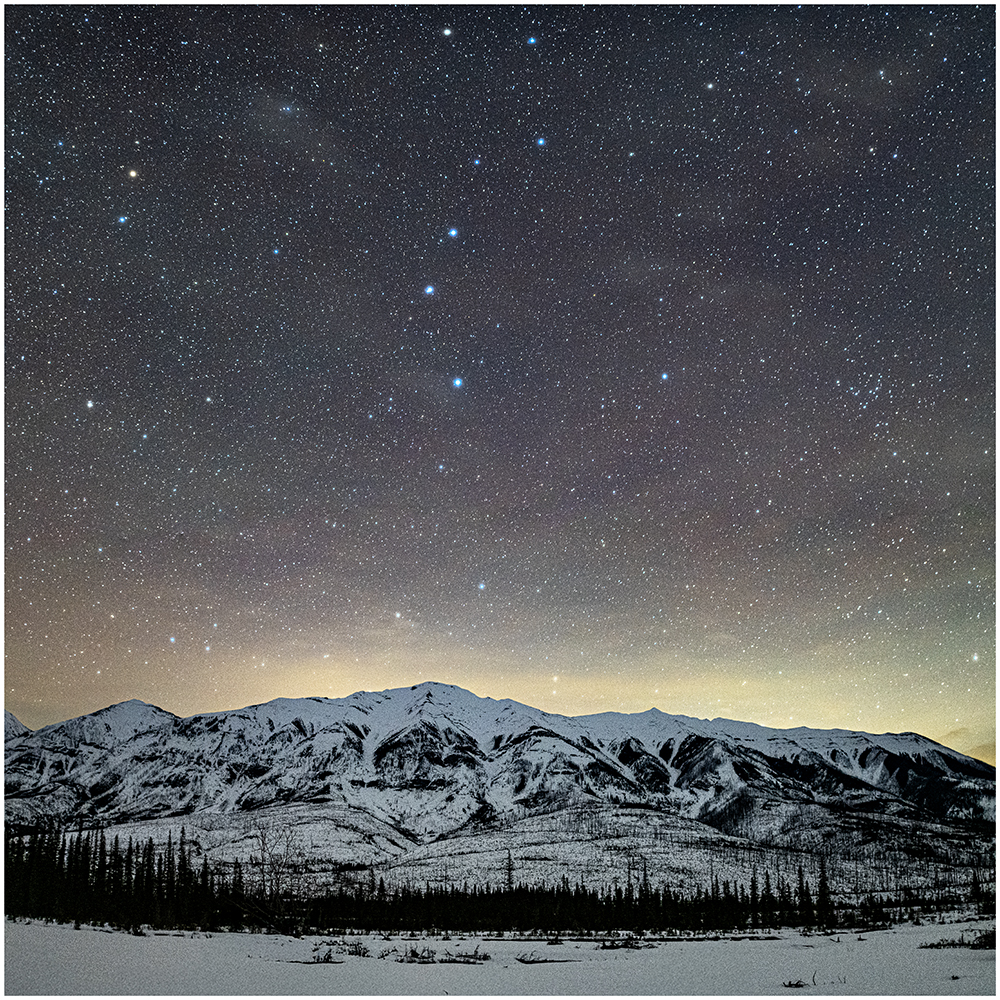
Last night, I went looking for stars and peace. It was after midnight but before the moon was up. I could hear the creek flowing under the ice. The mountains were in outline, and the familiar constellations were holding their own.

My mind eased if only momentarily. I stopped before the creek to make sure I didn’t break through the ice in the dark. There may never be true safety. You can only take it all in and know that good will offer a path. It may never be safe all the time, but the more often you look for good, the more often you will find it. Unfortunately there is no consolation for the people of Tumbler Ridge and the families suffering with heart breaking loss.

Photo Project

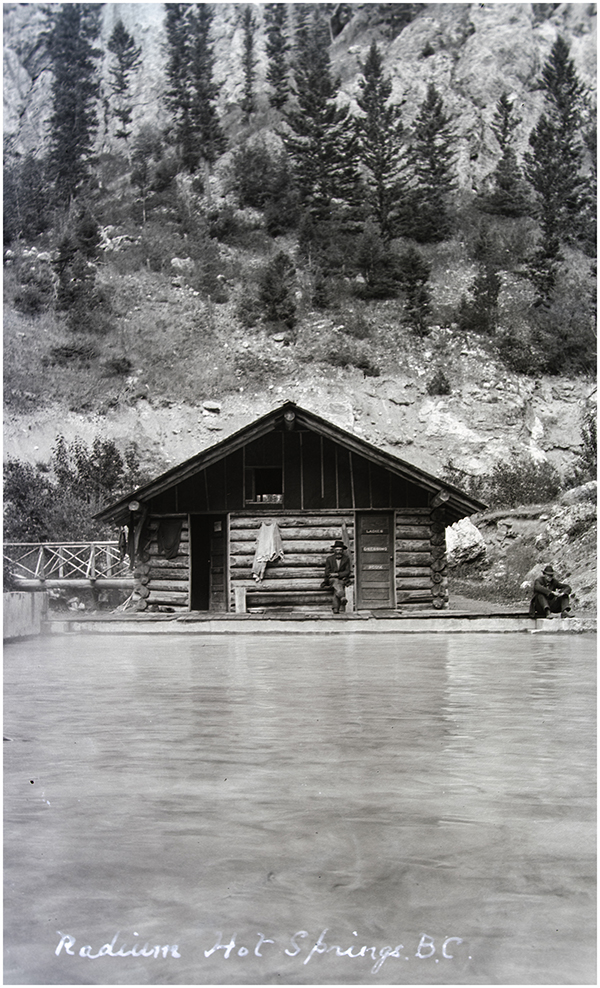
Radium Hot Springs Pool, Circa 1920, A.E. Fisher.

I have started on a project I have been wanting to do for some time. My parents left me a large collection of historical photographs, most dating from the 1920s and 1930s. All of the images exist only as negatives, with no printed positives, which makes it difficult to assess their quality or even know exactly what they depict. Until they are digitized, much of the collection remains effectively hidden.

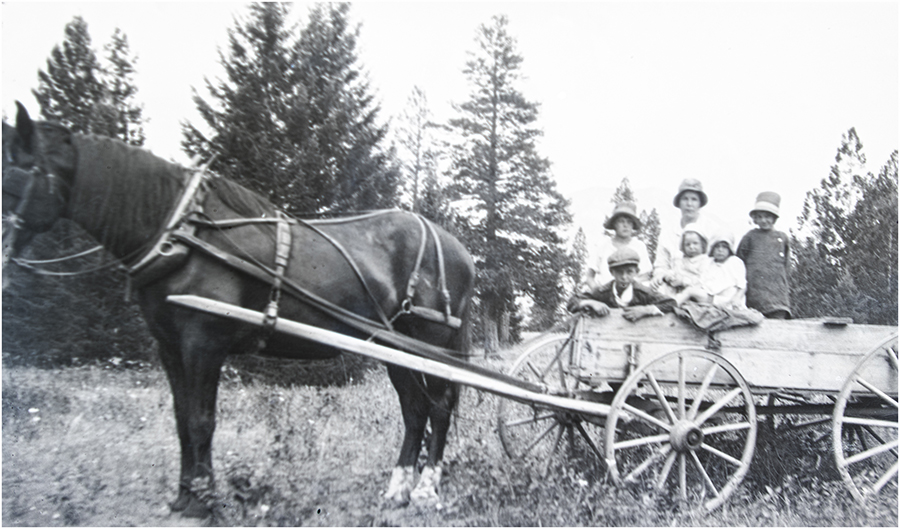
The photographs are from various photographers, but many are attributed to A.E. Fisher, one of the first photographers in the area. The negatives measure 3.25 by 5.5 inches and contain exceptional detail. Many are beautiful images of the region and its people from a time before the area was widely populated. Included in the collection are approximately 110 negatives of First Nation people.

I have worked with these First Nation negatives in the past to ensure the Ktunaxa Nation received digital copies for their archives. Many of these images are both striking and historically important, documenting a period for which relatively few photographs exist.

Family outing, A.E. Fisher.

One of the main reasons I put this project off for so long was the amount of time required to digitize the collection. Using a flatbed scanner, each transparency scan takes a significant amount of time, followed by additional processing of the digital file. To speed things up, I developed a more efficient workflow by photographing each negative on a light box using a digital camera. The files are then cropped and reversed into positives in Photoshop, where I also make minor corrections. The images are then downsized and imported into Lightroom, which provides robust library and archiving tools. At this stage, descriptions and keywords are added to make the images easily searchable.

The resulting files are not necessarily intended for high-end printing—although decent prints could certainly be made—but rather to create a practical, accessible archive for future use. Once digitized, the original negatives are filed and labeled with corresponding file names. If a high quality large print was needed the original negative could be accessed and scanned.

Each negative now has an associated digital file that can be searched on a computer and includes information such as photographer, location, and subject matter. This allows the images to be used for research, storytelling, and printing while protecting the original negatives from further handling and deterioration.

It is a large and time-consuming project, but a worthwhile one. Already, I have uncovered photographs that are both fascinating and historically significant—images that may otherwise have remained unseen.

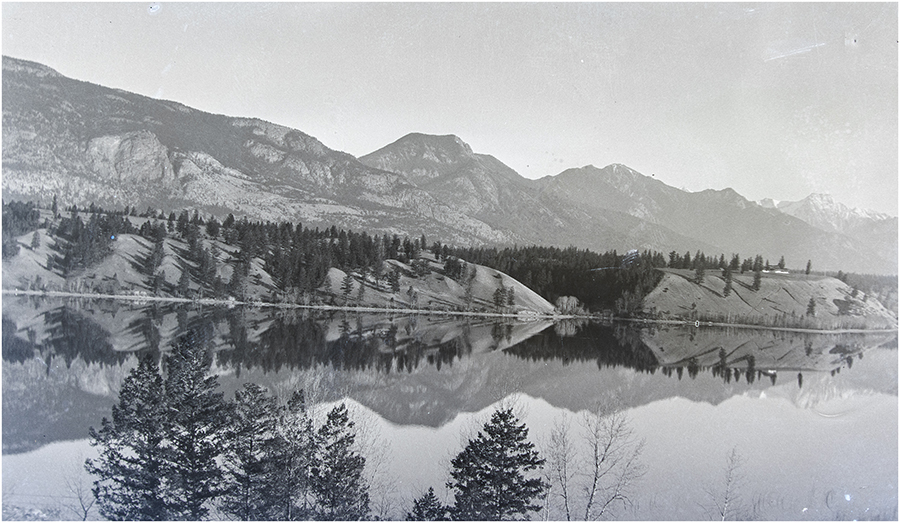
Lake Windermere, Circa 1920, A.E. Fisher.
This shows the east side of Lake Windermere before development.

Winding Down

Finally a good layer of ice on the lake. Providing there is no snow tonight, Cooper and I will be heading down for a skate. We will have a few pucks to toss back and forth. We might even take the net. You learn fast if you miss it you have to skate a long ways to retrieve the puck.

It’s good to feel the cooler temps.

White Christmas

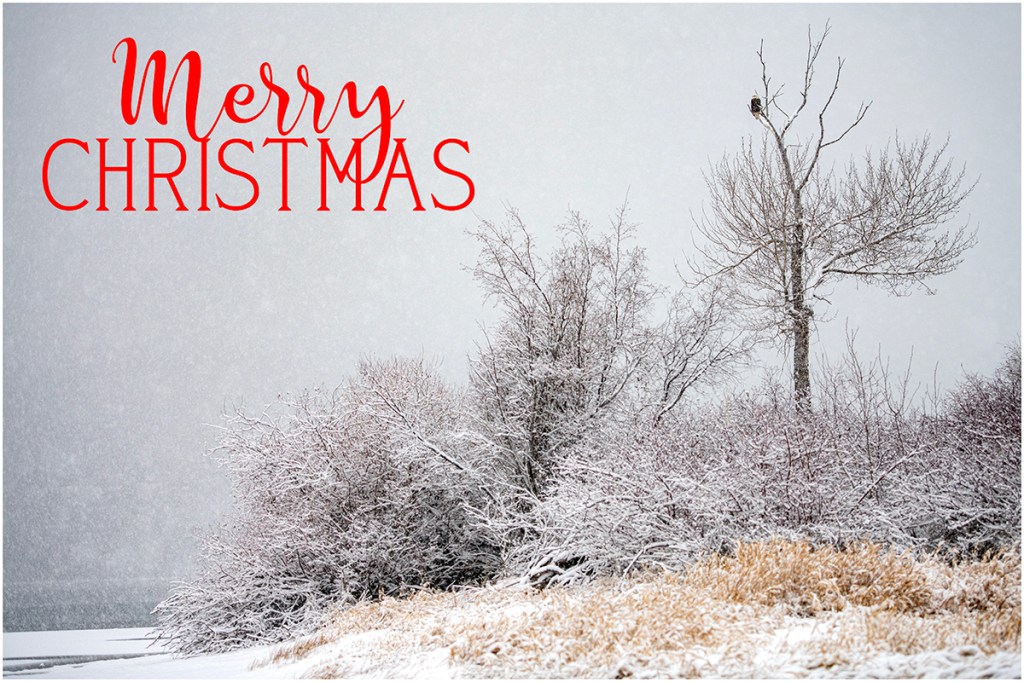
Merry Christmas from Palliser Pass at the head of the Columbia River in British Columbia, Canada.

Ice-Out on Lake Windermere

Only a thin layer of ice remains on the south end of Lake Windermere. Looking close you can see the ice breaking up. The ice is about midway in the lakes 12 mile length.

Incredibly mild weather for December. +6°c, rain and a stiff south wind. The ice on about half of Lake Windermere has gone out. In the sixty, some odd, years I have been observing the lake I cannot remember it doing so in December.

The ice was late forming this winter with only a thin skim by the end of November. I am usually skating on the lake by the end of November. This year I went for a swim instead.

Standing at the north end of the Lake near dark. The ice in the foreground has been blown to the shore.

In the early 2000’s, when I was with the newspaper, I can remember writing an editorial mid December to be careful on the lake ice as it could be unsafe. It had been mild that year. The point of the article was to warn tourists and second home owners to be mindful as they may have been used to driving on it in December. The way it looks this year the tourists and vacation home owners could be putting their jet boats back in for the Christmas holidays.

The lake in winter has always been a special place for me. Skating, skiing, driving and fishing. There is nothing like being out there in the cold and quiet. Whenever I have had to endure pain I’ve always thought of the lake and the silent white surroundings while standing in the middle to get me through. It is what I imagine heaven to look like. It truly is a remarkable place.

We are expecting more warm weather. If so I can only guess the rest of the ice will break up and flow down the Columbia.

If my old friend Ray was still alive, he passed a few years ago at 103, I’d ask him if he’d ever seen this before. I would bet he would say no and be equally surprised. As I’m sure my Dad would have been. Christ, I’m an old-timer now and I’ve never seen Lake Windermere open in December.